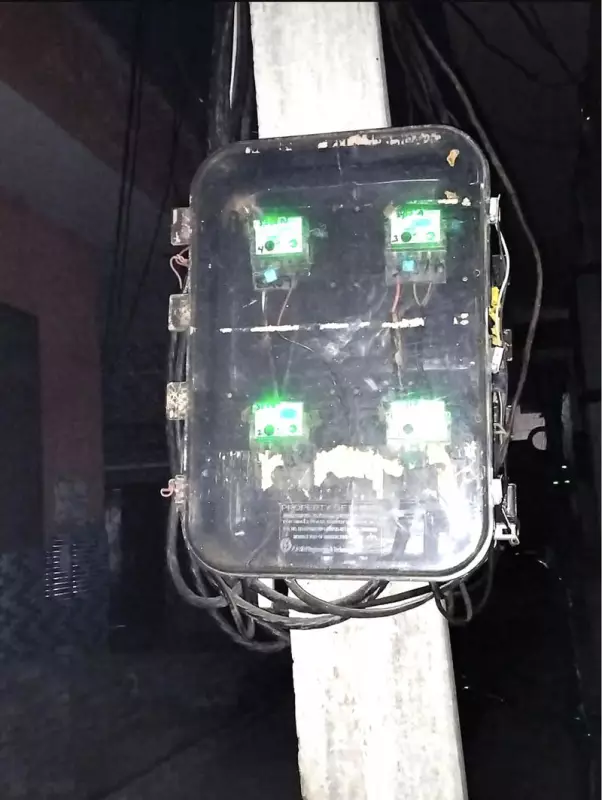
In a significant setback for power distribution reforms in Haryana, the much-touted initiative to relocate electricity meters to poles in 43 villages of Rohtak district has failed to curb high line losses. The move, intended to combat power theft and improve billing accuracy, has not yielded the expected results, with substantial losses and alleged theft continuing unabated.
Initiative Fails to Deliver Promised Results
The Dakshin Haryana Bijli Vitran Nigam (DHBVN) undertook this project with the clear objective of reducing Aggregate Technical and Commercial (AT&C) losses. By shifting meters from consumer premises to electricity poles, the utility aimed to prevent unauthorized hooking and tampering, which are primary contributors to line losses. However, ground reports from villages including Kansala, Bohar, Bidhlan, and Kharak Kalan tell a different story. Despite an expenditure running into crores of rupees, the technical losses in these areas reportedly remain as high as 40-50% in some feeders.
Officials had anticipated that this physical intervention would create a more secure and transparent system for energy accounting. The logic was straightforward: with meters placed out of easy reach on poles, the opportunities for direct theft or meter manipulation would drastically reduce. Yet, the persistence of high losses indicates that the problem is more complex, potentially involving issues like faulty infrastructure, outdated lines, or bypassing of the metering points altogether.
Consumers Bear the Brunt, Officials Cite Challenges
The ongoing losses have a direct impact on both the power utility and legitimate consumers. For DHBVN, high AT&C losses affect financial viability and its ability to invest in network upgrades. For consumers, especially those in urban areas like Rohtak city, it often translates into power cuts and load shedding, as the distribution company tries to balance the grid amidst unaccounted-for consumption.
A senior DHBVN official acknowledged the ongoing struggle, stating that while the meter relocation was a necessary step, it is not a silver-bullet solution. The official pointed out that comprehensive loss reduction requires a multi-pronged strategy. "We are actively analyzing the data from these 43 villages to identify specific loss pockets," the official said. "Alongside technological measures, we are intensifying enforcement drives to check for illegal connections and tampering, even on poles." The department has also formed special teams to conduct regular inspections and raids.
The Road Ahead for Power Distribution
The situation in Rohtak underscores a persistent challenge in India's power sector: the gap between well-intentioned infrastructure projects and their on-ground efficacy. The case of these 43 villages suggests that without robust monitoring, maintenance, and strict anti-theft enforcement, capital investments alone may not solve the problem of distribution losses.
Moving forward, DHBVN's strategy may need to include:
- Enhanced technological surveillance using smart meters and data analytics to detect anomalies in real-time.
- Strengthening of local distribution infrastructure like transformers and lines to reduce purely technical losses.
- Community engagement programs to encourage reporting of theft and promote lawful electricity consumption.
The persistence of high line losses in Rohtak serves as a crucial case study for other districts in Haryana and beyond. It highlights that tackling power theft and inefficiency requires a sustained, integrated approach that combines hardware, software, and community participation to protect the integrity of the power distribution network.