

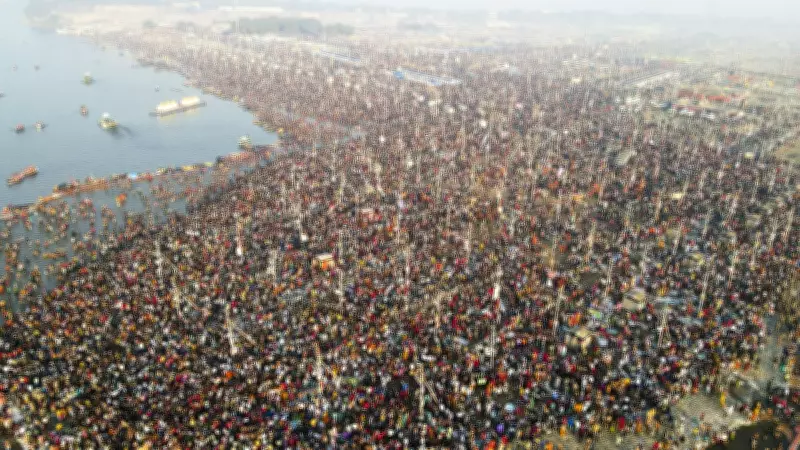
The Mahakumbh Mela, one of the largest religious gatherings in the world, has long been a marvel of temporary infrastructure. While the focus often lies on the spiritual and logistical aspects, the event's waste management system stands out as a beacon of efficiency. This temporary city, which accommodates millions of pilgrims, manages to maintain remarkable cleanliness—a feat that many permanent Indian cities struggle to achieve. What lessons can urban India learn from this model?
The Scale of the Challenge
During the Mahakumbh, millions of people gather in a designated area along the riverbanks. The waste generated—both solid and liquid—is immense. Yet, the authorities deploy a robust system that includes segregation at source, regular collection, and scientific disposal. The temporary nature of the event forces planners to be innovative, using resources optimally and ensuring minimal environmental impact. In contrast, many Indian cities grapple with overflowing bins, uncleared garbage, and inefficient recycling.
Key Features of the Mahakumbh Model
- Segregation at Source: Pilgrims are educated to separate biodegradable and non-biodegradable waste. Color-coded bins are placed at every corner, and volunteers guide attendees.
- Frequent Collection: Waste is collected multiple times a day, preventing accumulation. Small vehicles navigate narrow pathways, ensuring no area remains unattended.
- Community Participation: A sense of collective responsibility is fostered. Religious leaders and volunteers emphasize cleanliness as a spiritual duty.
- Scientific Disposal: Biodegradable waste is composted, while recyclables are sent to processing units. Liquid waste is treated before release.
What Cities Can Adopt
Indian cities can replicate these practices by integrating them into their urban planning. First, awareness campaigns that link cleanliness to civic pride can change public behavior. Second, decentralized waste processing units—like those used at the Mahakumbh—can reduce the burden on landfills. Third, involving local communities in monitoring and reporting can enhance accountability. Finally, leveraging technology for route optimization and real-time tracking of garbage collection can improve efficiency.

Overcoming Hurdles
Critics argue that a temporary setup cannot be compared to permanent cities with complex demographics. However, the principles remain scalable. The key is political will and sustained investment. Cities like Indore and Surat have shown that with dedicated efforts, cleanliness rankings can soar. The Mahakumbh proves that even under extreme pressure, a well-designed system works. It is time for India's urban centers to take note and act.






