MCD Extends Bio-Mining Contracts to Accelerate Landfill Clearance in Delhi
The Municipal Corporation of Delhi (MCD) has made a strategic decision to retain the current agencies responsible for bio-mining at the city's three major landfill sites—Okhla, Ghazipur, and Bhalswa. This move is aimed at ensuring the garbage mounds are flattened within the set deadlines, as delays could exacerbate environmental hazards and hinder land reclamation for public use.
Critical Timelines for Landfill Remediation
At a recent standing committee meeting, officials emphasized the urgency of accelerating bio-mining efforts. The civic body has established strict targets: clearing the Okhla site by July 2026, Bhalswa by December 2026, and Ghazipur by December 2027. These timelines are critical, as the landfills continue to pose severe pollution challenges, affecting air quality and public health in the National Capital Region.
Progress and Challenges in Phase II
Phase II contracts were awarded in 2024-25 following the completion of Phase I, and work is currently underway at all three sites. Under this phase, MCD aimed to process 30 lakh metric tonnes (MT) of legacy waste each at Bhalswa and Ghazipur—with provisions to extend by 15 lakh MT each—and 20 lakh MT at Okhla, extendable by 10 lakh MT, within an 18-month period.

- Okhla: With a Phase II deadline of March 31, 26 lakh MT has been remediated so far, showing steady progress.
- Bhalswa: This site has recorded quicker advancement, with 34 lakh MT processed ahead of its April deadline, indicating efficient operations.
- Ghazipur: Lagging behind, only 15.8 lakh MT has been processed as of February this year against a September deadline, highlighting significant challenges.
Decision to Continue with Existing Concessionaires
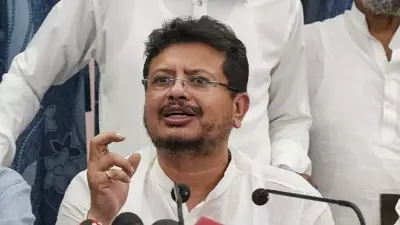
Standing committee chairperson Satya Sharma explained that the civic body decided to continue with the existing concessionaires beyond their tenure to avoid potential delays and complications associated with transitioning to new agencies. This continuity is expected to streamline operations and maintain momentum in waste processing.
Impact of New Solid Waste Management Rules
The tendering process for Phase III has been put on hold due to the Centre's notification of the Solid Waste Management Rules 2026, effective from April 1. These new rules mandate environmentally sound management of sanitary landfills and legacy waste, requiring changes to contractual terms. Officials noted that bidders for Phase III were asked to submit plans for full reclamation of landfill areas through bio-mining, but the broad definition of 'legacy waste' now includes fresh waste dumped in the past six months and waste expected to accumulate over the next two years, necessitating separate treatment, additional resources, and more manpower.
An official stated, "We will need to amend the contractual terms before finalising agencies for Phase III. This process will take time, as earlier assessments were based on the Solid Waste Management Rules 2016, and bidders might add additional costs to their financial proposals."
Emphasis on Early Bioremediation
In meetings with the Ministry of Housing and Urban Affairs (MoHUA) and the Delhi government, emphasis was placed on completing bioremediation at the earliest to mitigate environmental risks. This aligns with MCD's broader goals of pollution control and sustainable urban development.
Additional Initiatives Approved
Apart from landfill remediation, the standing committee cleared several other proposals:

- Public-Private Partnership for Park Maintenance: A long-pending scheme enabling Resident Welfare Associations (RWAs) to participate in green-space upkeep with MCD support, fostering community involvement in urban greenery.
- Revenue-Sharing Agreement for Advertisements: A 20-year, 50:50 revenue-sharing agreement with the Delhi Transport Infrastructure Development Corporation Limited for advertisements at bus queue shelters, aimed at boosting municipal revenue.
- Implementation of Budget-Announced Schemes: The chairperson directed officials to ensure the execution of schemes that do not require tendering, including the "One Road–One Day" sanitation initiative and an annual licensing system for weekly markets, enhancing civic services and market regulation.
These measures collectively underscore MCD's commitment to addressing Delhi's waste management crisis while promoting environmental sustainability and public welfare. The retention of bio-mining agencies is a pivotal step in meeting the ambitious deadlines and reclaiming valuable land for future use.