

Delhi Takes Action on Crematorium Emissions with New Control Systems
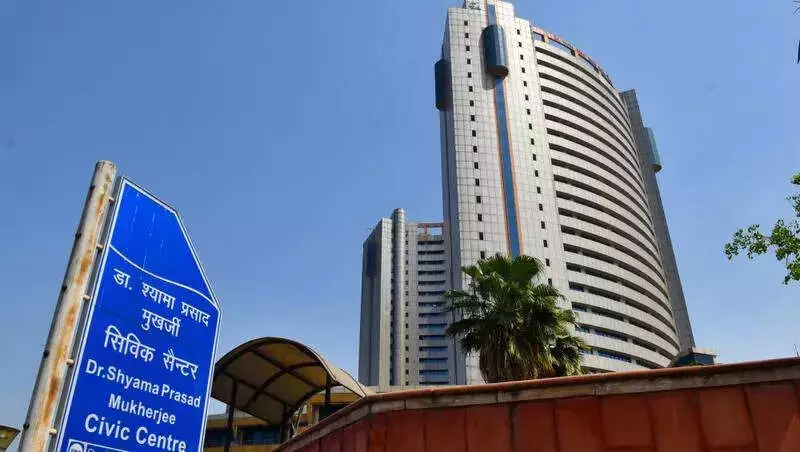
The Municipal Corporation of Delhi is moving forward with a significant initiative. They plan to install advanced emission control devices at the city's crematoriums. This step aims to tackle a notable source of air pollution in the capital.
Targeting Harmful Pollutants from Cremation Grounds
Delhi hosts approximately fifty cremation grounds. Currently, most of these facilities lack proper mechanisms to capture emissions. When cremations occur, they release various pollutants directly into the atmosphere.
These emissions include:

- Particulate matter (PM2.5 and PM10)
- Volatile organic compounds (VOCs)
- Carbon monoxide and nitrogen oxides
- Sulphur oxides and hydrocarbons
- Heavy metals and toxic dioxins
Wind can carry these harmful substances over long distances. This negatively impacts the air quality in surrounding neighborhoods. The environment department of Delhi has directed the MCD to address this issue.
Implementing Advanced Filtration Technology
The civic body has begun planning the installation of emission capture systems. These systems will use a combination of technologies to clean the smoke before it enters the city's air.
The proposed equipment includes:
- Wet and dry scrubbers
- Activated carbon filtration systems
- Ducts, hoods, and suction mechanisms
- Chimneys of appropriate height
Smoke scrubbers and smog filter units will separate contaminated air. They will capture emissions and release cleaner air. Advanced filtration technologies, like HEPA filters and activated carbon, will remove fine particulate matter and harmful gases.
Expected Impact and Collaborative Efforts
Officials anticipate a substantial reduction in pollution levels. The new systems are expected to cut PM2.5 and PM10 emissions by seventy to ninety percent. This will help ensure compliance with standards set by the Central Pollution Control Board and other authorities.
The MCD is working closely with IIT Kharagpur to develop a technically feasible solution. A senior official explained the challenge. They must capture smoke at the point of cremation without causing discomfort or suffocation for people present. IIT Kharagpur is assisting in designing a system that effectively channels smoke while maintaining proper ventilation.
This marks the first such attempt in Delhi. Technical specifications and cost estimates are currently being finalized. The project will then be implemented in phases across the city's crematoriums.
Part of a Broader Air Quality Strategy
The emission control initiative aligns with directions from multiple bodies. These include the Delhi Pollution Control Committee, courts, the Commission for Air Quality Management, and the Delhi government.
MCD has also been upgrading cremation infrastructure in recent times. Officials believe this new effort will reduce localized pollution significantly. It forms a key component of Delhi's broader strategy to mitigate air pollution and improve public health.
By addressing emissions from crematoriums, the city takes a concrete step toward cleaner air for all residents.






