

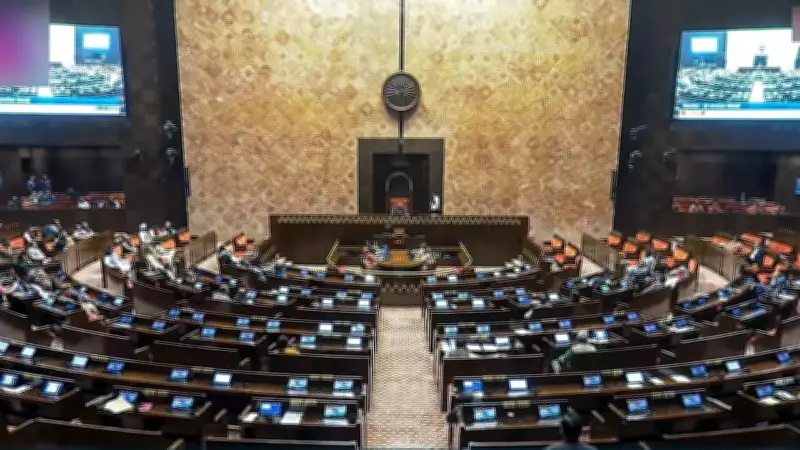
Cabinet Meeting to Feature Ministers Presenting Major Reforms Since June 2024
In a significant departure from the routine agenda of taking up projects and policy proposals for consideration and approval, the next Cabinet meeting will witness ministers personally presenting the major reforms undertaken by their ministries and departments since June 2024, along with their tangible benefits. This innovative change, as confirmed by officials, is strategically designed to propel the government's agenda of reducing the compliance burden and simplifying rules and procedures to enhance ease of living and business across the nation.
Directive from the Prime Minister's Office
Following Tuesday's Cabinet meeting at the new Prime Minister's Office Seva Teerth, Cabinet Secretary T V Somanathan issued a communication to all ministries, stating that the Prime Minister has desired that all ministers present these major reforms in the upcoming Cabinet session. The specific date for this presentation will be communicated in due course, but the announcement has already triggered a flurry of hectic activities across ministries since Tuesday evening, as departments scramble to prepare their submissions.
Focus on People-Centric Reforms
The primary focus of this exercise will be on people-centric reforms in laws, policies, notifications, rules, and regulations that each ministry has implemented during the third term of the Modi-led government. According to sources, ministries have been instructed to send a two-page executive summary of the most significant reforms to the Cabinet Secretary by March 2 (Monday). This summary will serve as the basis for the ministers' presentations before the Cabinet, ensuring a concise and impactful delivery of key achievements.

Structured Format for Reform Presentation
Officials have revealed that a detailed format has been distributed to all ministries, requiring them to specify the title of three reforms under four distinct categories and detail their impact. Additionally, ministries are mandated to include comprehensive information on the changes made, which encompass:
- Abolition of outdated or redundant procedures
- Simplification of complex forms and processes
- Rectification of errors in existing frameworks
- Digitisation initiatives to enhance efficiency
- Implementation of risk-based inspection systems
- Promotion of self-certification mechanisms to reduce bureaucratic hurdles
These measures are specifically aimed at improving the ease of doing business, aligning with the government's broader economic objectives.
Expected Outcomes and Collaborative Learning
This structured exercise is anticipated to foster a collaborative environment where ministries and departments can share their experiences and insights gained while framing and implementing these reforms. By having ministers personally articulate the benefits and challenges, the government aims to create a platform for mutual learning and acceleration of reform processes. Officials believe that this approach will not only highlight achievements but also identify areas for further improvement, driving continuous progress in governance and public service delivery.
The initiative underscores a proactive shift towards transparency and accountability, ensuring that reforms are not just implemented but also effectively communicated and evaluated for their real-world impact on citizens and businesses alike.






