

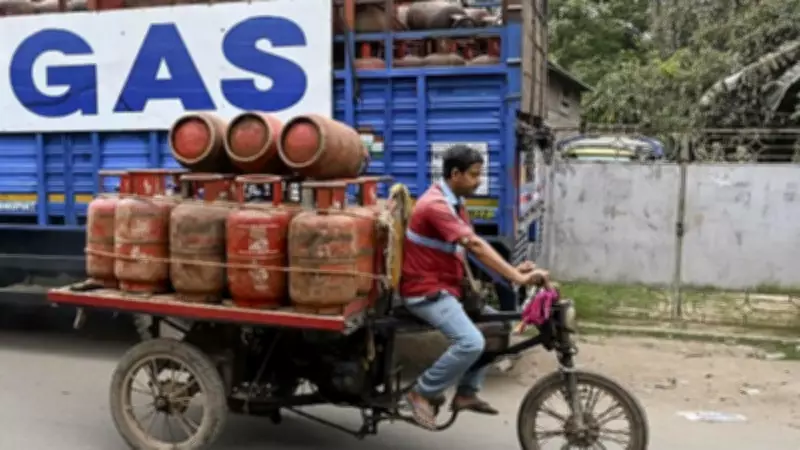
Petroleum Ministry Issues Advisory on LPG Supply and Cylinder Hoarding
The Ministry of Petroleum and Natural Gas has issued a critical advisory to the public, urging them to refrain from hoarding LPG cylinders amid ongoing concerns about supply stability. This directive comes as the ministry addresses widespread reports of potential shortages and aims to prevent panic-buying that could exacerbate the situation.
Ministry's Call for Responsible Consumer Behavior
In a formal statement, the ministry emphasized the importance of maintaining normal consumption patterns and avoiding the accumulation of extra cylinders. Hoarding not only disrupts the equitable distribution of LPG but also strains the supply chain, potentially leading to artificial scarcity in certain regions. The ministry reassured citizens that efforts are underway to ensure a steady flow of domestic gas, but cooperation from the public is essential to manage demand effectively.
Directive to News Media for Accurate Reporting
Simultaneously, the Petroleum Ministry has instructed news channels to broadcast updated and accurate visuals regarding the LPG supply status. This move is intended to curb the spread of misinformation and sensationalized reports that could fuel public anxiety. By ensuring media outlets use current footage and data, the ministry aims to foster a more informed public discourse and prevent unnecessary alarm over supply issues.

India's LPG Import Dependency and Key Supply Routes
The ministry provided detailed insights into India's LPG supply chain, revealing that approximately 60 per cent of the country's LPG consumption is met through imports. A significant portion of these imports, around 90 per cent, traverses the strategic Strait of Hormuz, a critical maritime chokepoint in the Middle East. This reliance on imported LPG, particularly via this route, underscores the vulnerability of India's supply to geopolitical tensions or logistical disruptions in the region.
Key points about India's LPG import structure include:
- India imports about 60% of its total LPG consumption to meet domestic demand.
- Roughly 90% of these imports are shipped through the Strait of Hormuz, highlighting a concentrated supply route.
- The ministry is monitoring global market conditions and shipping lanes to mitigate any potential supply chain risks.
Broader Implications and Public Assurance
The ministry's announcements reflect a proactive approach to managing the LPG supply scenario. By addressing both consumer behavior and media reporting, they aim to stabilize the market and ensure that households, especially in rural and urban areas, have consistent access to cooking gas. Public cooperation is deemed crucial to prevent hoarding-induced shortages and to support the government's efforts in maintaining supply continuity.
As of the latest updates, the ministry continues to work with stakeholders, including importers and distributors, to optimize logistics and enhance storage capacities. Citizens are encouraged to rely on official channels for information and to report any instances of malpractice or excessive hoarding to authorities.






