

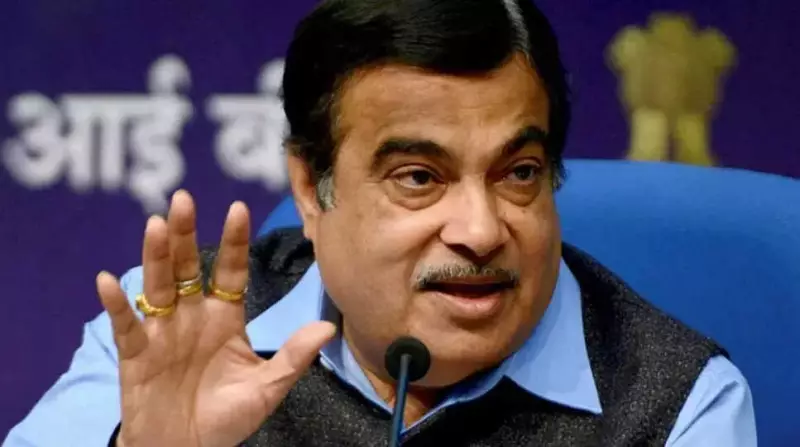
Commuters on India's national highways can look forward to a seamless journey by the end of 2026, as the government plans to eliminate the need for stopping or even slowing down at toll plazas. Road Transport and Highways Minister Nitin Gadkari announced the nationwide rollout of the Multi-Lane Free Flow (MLFF) toll collection system, a move set to revolutionize highway travel.
How the Futuristic MLFF System Will Work
Under the new MLFF framework, physical toll booths and barriers will become a thing of the past. Instead, cameras installed above the road will capture vehicle number plates as they pass by at normal highway speeds. The user fee will then be automatically deducted from the linked FASTag account of the vehicle. Gadkari emphasized that this entire transaction will happen seamlessly even when a vehicle is cruising at a speed of 80 kilometers per hour.
The minister, who made the announcement in the Rajya Sabha, highlighted the dual benefits of this technology. He stated that the MLFF system is expected to save fuel worth Rs 1,500 crore annually by eliminating idling and stop-and-go traffic at plazas. Furthermore, it is projected to increase toll revenue by a significant Rs 6,000 crore by making the collection process more efficient, transparent, and free from corruption.

FASTag Annual Pass Gains Massive Traction
In a related development aimed at easing the toll payment process in the interim, Gadkari pointed to the success of the FASTag annual pass launched in August. This pass allows private vehicle owners unlimited access across approximately 200 toll plazas for a fixed yearly fee. The initiative has already seen overwhelming adoption, with over 40 lakh (4 million) private car owners subscribing to it, providing them substantial relief from frequent stop-and-pay routines.
The government is also tightening the system to ensure compliance. A new mechanism is being implemented where vehicle owners will be required to clear all pending dues, including outstanding toll fees and e-challans, before they can sell their vehicle or renew its registration certificate. This step aims to plug revenue leakage and promote financial discipline among users.
Focus on Greenfield Highways to Slash Logistics Cost
Shifting focus to the broader highway development strategy, Minister Gadkari outlined that the current emphasis is on constructing new greenfield highways. These new alignments are crucial for reducing India's logistics costs, a key factor in boosting economic competitiveness.
He shared encouraging data, noting that while India's logistics cost was previously estimated at around 16%, a recent study conducted by premier institutions like IIM-Bangalore, IIT-Kanpur, and IIT-Madras indicates a reduction. The study, published three to four months ago, found that road logistics costs have come down by 6%. Gadkari expressed confidence that, as a result of sustained infrastructure push, the overall logistics cost has now entered the single-digit territory at approximately 9%.
Concluding his address, the minister linked robust infrastructure development directly to national growth. He asserted that roads, water, power, transport, and communication form the essential backbone for attracting capital investment in industry and trade. This investment, in turn, fuels job creation, which is the fundamental pathway to eradicating poverty in the country.






