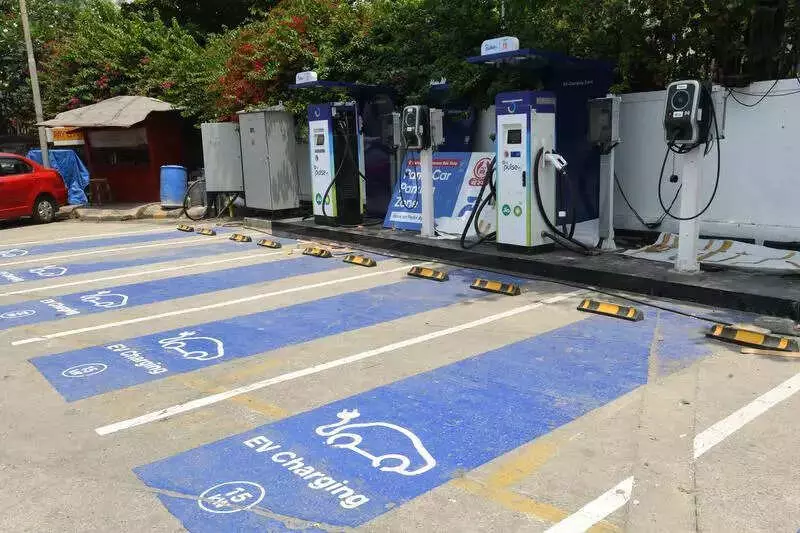
MSRTC Makes EV Charging Points Mandatory at All Fuel Stations on Its Land Parcels
The Maharashtra State Road Transport Corporation (MSRTC) has taken a significant step toward promoting electric mobility by announcing a new mandate on Tuesday. From now on, all fuel stations established on MSRTC-owned land parcels must mandatorily include electric vehicle (EV) charging points that will be accessible to the general public.
Expanding Charging Infrastructure Across Maharashtra
While only one fuel station currently operates on an MSRTC plot in Dhule, officials are optimistic that this policy will dramatically expand the state's EV charging network. Abhijit Bhosle, MSRTC Public Relations Officer, explained the corporation's strategy: "We have plans to set up petrol and diesel stations at 100 MSRTC land parcels. A new clause was added on Tuesday requiring the companies setting up these stations to also install EV charging units at the same location."
The existing Dhule station, operated by Indian Oil, will soon be upgraded with an EV charging facility to comply with the revised regulations. Bhosle emphasized that these charging points will be open to all EV users, not just MSRTC vehicles. Additionally, the corporation is working on establishing 174 dedicated charging stations for its own fleet of electric buses at various locations, including Pune.

Statewide Goals and Current EV Landscape
This initiative aligns with broader state objectives to boost electric vehicle adoption. Transport Minister Pratap Sarnaik had previously stated that Maharashtra aims to establish 3,079 charging points to support the growing number of EV registrations. According to Vahan records, the state currently has over 5.78 lakh registered electric vehicles, supported by approximately 1,180 existing charging stations.
The MSRTC's mandate is expected to play a crucial role in bridging the infrastructure gap and encouraging more residents to switch to electric vehicles, thereby reducing carbon emissions and promoting sustainable transport solutions.
Criticism Over Delayed Green Transition
Despite these positive developments, the MSRTC's own transition to a greener fleet has faced criticism for perceived delays. The corporation had announced a procurement goal of 5,150 electric buses, but the current fleet stands at just 600. While officials have confirmed that more e-buses are expected to join the fleet this year, specific numbers and timelines remain unclear.
Commuters have expressed frustration over the slow progress. A frequent traveler commented: "Three years ago, MSRTC promised 5,000 e-buses. With only 600 currently on the road, it's clear the process is lagging. How can the authorities claim to be boosting EV infrastructure when they are struggling to meet their own fleet targets?"
This criticism highlights the challenges in balancing ambitious infrastructure projects with practical implementation, underscoring the need for accelerated efforts to meet both public and corporate sustainability goals.