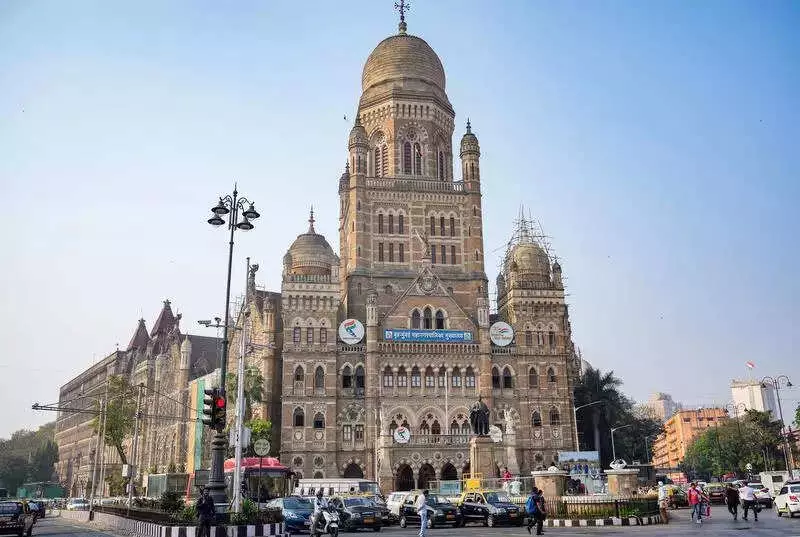
Mumbai's Civic Budget Faces Likely Delay Amid Political Changes
Mumbai's annual civic budget presentation will probably miss its statutory deadline this year. The Brihanmumbai Municipal Corporation faces ongoing political and administrative transitions that complicate timely budget tabling.
Statutory Deadline Under Pressure
The Mumbai Municipal Corporation Act clearly requires budget presentation by February 5 each year. Last year, BMC managed to table the budget on February 4, just meeting the deadline. However, current circumstances make similar timing difficult this year.
Elections for mayor, deputy mayor and key statutory committees will likely occur during February's first week. BMC officials openly admit that adhering to the February 5 timeline now seems impractical given these electoral processes.

Administration Seeks Permission for Deferral
Sources within the civic administration confirm that BMC prepares to write to the urban development department. The corporation will formally request permission to postpone budget presentation.
Officials explain their rationale clearly. They want newly elected mayor and committees established before presenting the financial roadmap. This approach ensures that incoming leadership shapes budget priorities from the beginning.
Significance of the Civic Budget
The BMC budget represents enormous financial planning. It runs into tens of thousands of crores and outlines crucial allocations across multiple sectors.
Key budget areas include:
- Infrastructure projects across Mumbai
- Essential civic services for citizens
- Public health initiatives and facilities
- Educational programs and institutions
- Transportation systems and improvements
Traditionally, the governing dispensation's priorities heavily influence budget formulation. A delay allows new leadership to imprint their vision on Mumbai's financial planning.
Precedent for Budget Delays
Officials point out that budget delays are not unprecedented for BMC. Election years and political transition periods often see similar postponements.
The final decision depends entirely on the state government's response to BMC's request. One official explained the complex timing considerations.
"While the mayor serves a 2.5-year term, statutory committee chairpersons have one-year terms. Rules require new chairperson elections on April 1. However, if positions fill next month, no April election can occur. Additionally, the administrator's term concludes the day a special meeting elects the mayor."
This intricate electoral calendar creates genuine challenges for budget timing. The administration must navigate these procedural requirements while maintaining governance continuity.