

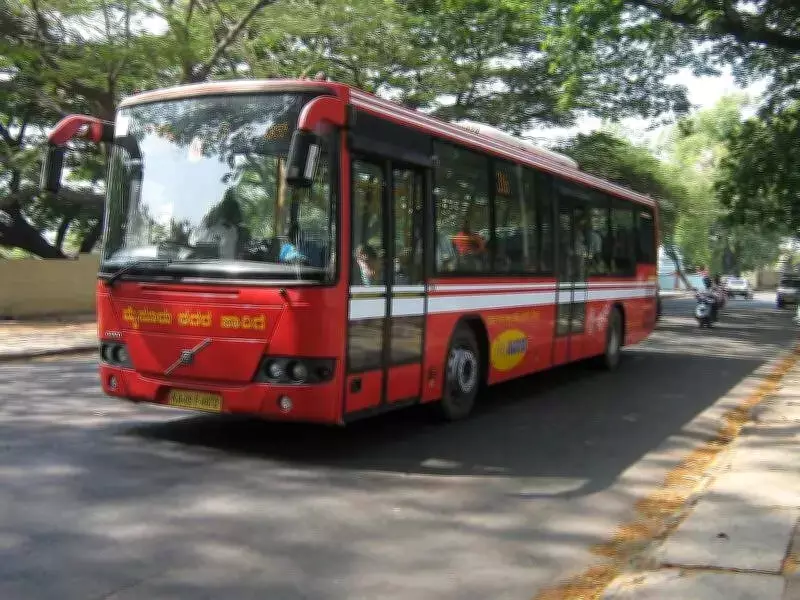
Mysuru's Iconic 'Red Beauty' Volvo Buses Complete Final Journey
The city of Mysuru has bid farewell to its iconic 'Red Beauty' Volvo buses, which have completed their final runs, closing a significant chapter in the city's public transport history. The Karnataka State Road Transport Corporation's (KSRTC) Mysuru Urban Division has officially retired its entire fleet of 33 Volvo buses, marking the end of an era that began over a decade ago.
Retirement Due to Central Government Mandate
This retirement comes in strict compliance with the central government's mandate to scrap commercial vehicles older than 15 years. The Regional Transport Office can no longer issue fitness certificates for these aging buses, necessitating their removal from service. The decision, while regulatory, has evoked nostalgia among daily commuters who relied on these buses for their daily travels.
Introduction and Features of the Volvo Buses
Introduced in 2011 under the Jawaharlal Nehru National Urban Renewal Mission (JnNURM) scheme, each Volvo bus was a substantial investment, costing approximately Rs 1.2 crore—nearly three times the price of a regular city bus. Despite their relatively low fuel efficiency of 2 to 2.5 kilometers per liter, the buses quickly gained popularity for their superior comfort and modern design.

The 'Red Beauty' buses were easily recognizable with their striking red exteriors and offered air-conditioned interiors, providing a respite from the city's heat. They were equipped with advanced safety features, including anti-skid systems, ensuring a secure ride for passengers. These buses became a preferred mode of transport for IT professionals commuting to the city's IT belt, as well as for passengers traveling between key locations such as Hebbal, Chamundi Hills, and various other parts of Mysuru.
Nostalgia and Commuter Sentiments
For many daily commuters, the retirement of the 'Red Beauty' Volvo buses has been a nostalgic moment, marking the end of a familiar and comfortable travel experience. The buses had become an integral part of the city's urban landscape, symbolizing modern public transport in Mysuru.
Official Statement and Future Plans
KSRTC divisional controller (Mysuru Urban) Veeresh provided insights into the transition, stating, "The functioning of Red Volvo buses was stopped in January this year, and as an alternative, we are currently operating ordinary buses." He further elaborated on the future plans, revealing that a total of 100 eco-friendly electric buses are planned to replace the retired Volvos by September or October 2027.
To support this new fleet, a dedicated depot with high-capacity charging infrastructure is being developed at Banni Mantap. The Chamundeshwari Electricity Supply Corporation (CESC) is overseeing the electrical requirements for this project, ensuring a smooth transition to sustainable transport solutions.
Impact on Mysuru's Transport System
The retirement of the Volvo buses signifies a shift in Mysuru's public transport strategy, moving from conventional fuel-based vehicles to greener alternatives. While the ordinary buses currently in operation serve as an interim solution, the planned introduction of electric buses aims to enhance environmental sustainability and modernize the city's transport network.
This transition not only aligns with national regulations but also reflects a broader commitment to reducing carbon emissions and promoting eco-friendly urban mobility. As Mysuru prepares for this change, the legacy of the 'Red Beauty' Volvo buses will be remembered as a pioneering step in the city's journey towards improved public transport infrastructure.






