

Nagpur's Green Bus Transition: Environmental Gains Mask Complex Financial Realities
The Aapli Bus service in Nagpur is steadily progressing toward a greener future, transporting an impressive average of 1.61 lakh passengers every single day across 110 different routes. This extensive network generates substantial daily revenue of approximately Rs28 lakh, demonstrating robust public usage. The Nagpur Municipal Corporation has been aggressively promoting electric mobility as part of its environmental sustainability initiatives, making the transition appear both ecologically sound and forward-thinking.
The Fleet Composition and Traditional Diesel Operations
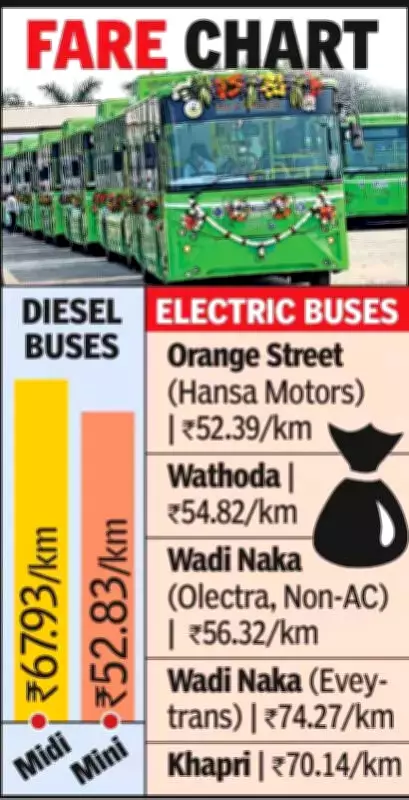
Nagpur's city bus network operates a substantial fleet of 505 buses, with 480 vehicles actively running daily schedules and collectively covering more than 1.10 lakh kilometers each day. Among these operational buses, 195 remain diesel-powered, consisting of 150 midi buses and 45 mini buses. Traditionally, diesel buses operating from Khapri, Patwardhan, and Hingna depots have maintained uniform per-kilometer rates: Rs67.93 for midi buses and Rs52.83 for mini buses, establishing a consistent baseline for operational costs.
Electric Bus Operations: A Mixed Financial Picture
Electric buses present a more complex financial narrative. While some operators deliver genuine cost advantages, others charge significantly higher rates that exceed traditional diesel expenses. At the Orange Street depot, electric midi buses operated by Hansa Motors run at just Rs52.39 per kilometer, substantially undercutting diesel midi rates by over Rs15 per kilometer. Similarly, Wathoda depot's electric buses operate at Rs54.82 per kilometer, while Olectra's non-AC electric buses at Wadi Naka are priced at Rs56.32 per kilometer—all representing clear cost savings compared to diesel midi buses.

However, this financial advantage disappears completely at other depots. Electric buses operated by Eveytrans at Wadi Naka are priced at Rs74.27 per kilometer, nearly Rs6 more than diesel midi rates. At Khapri and Matrushakthi depots, standard electric buses run at Rs70.14 per kilometer, also exceeding diesel costs. This significant disparity raises crucial questions about the financial sustainability of Nagpur's electric mobility transition.
The Financial Implications of Rate Disparities
With more than 83,000 kilometers of daily operations under the midi category alone, even a modest Rs5 difference per kilometer can translate into lakhs of rupees in monthly expenditure. A Rs10 variation per kilometer across thousands of kilometers daily can significantly impact the civic body's financial burden, potentially undermining the economic rationale for the electric transition.
While electric buses undoubtedly eliminate diesel fuel dependency and dramatically cut tailpipe emissions—reducing urban pollution and long-term public health costs—the contractual rates negotiated with private operators ultimately determine whether this environmental shift translates into genuine financial savings for the municipal corporation.
Contract Structures and Policy Support
Sources familiar with the operations indicate that per-kilometer pricing depends heavily on contract structures and risk-sharing models between the municipal corporation and private operators. Nagpur's Aapli Bus fleet expansion is largely supported by the central government's FAME-II scheme, which provides substantial financial assistance for electric buses, thereby reducing the civic body's capital expenditure burden.
Most electric buses operate under the Gross Cost Contract model, where private operators procure and maintain the buses while being paid per kilometer operated. Essential infrastructure components, including depots and charging stations, receive funding through Nagpur Municipal Corporation allocations and State Urban Development Department resources, supporting the city's phased transition to electric mobility.

Standardization Challenges and Future Considerations
The absence of rate uniformity across different depots and operators suggests that Nagpur's electric transition is currently driven more by policy push than systematic cost optimization. With daily revenue pegged at Rs28 lakh against extensive operational payouts to contractors, the long-term sustainability of the Aapli Bus service hinges on carefully balancing environmental objectives with fiscal discipline.
Nagpur's commitment to green transportation is undeniable and represents important progress toward sustainable urban development. However, unless electric bus contracts are standardized and operational costs are rationally structured, the promise of cleaner mobility could come with a substantially higher price tag than initially anticipated.





