Nashik's First Cable-Stayed Pedestrian Bridge Ram Jhula Construction Begins
The Nashik Municipal Corporation has officially commenced construction on the city's inaugural cable-stayed pedestrian bridge, named Ram Jhula, which will span the Godavari river. This significant infrastructure project is specifically designed to alleviate foot traffic congestion between the two banks during the upcoming Simhastha Kumbh Mela, a major religious gathering expected to draw millions of devotees.
Project Details and Timeline
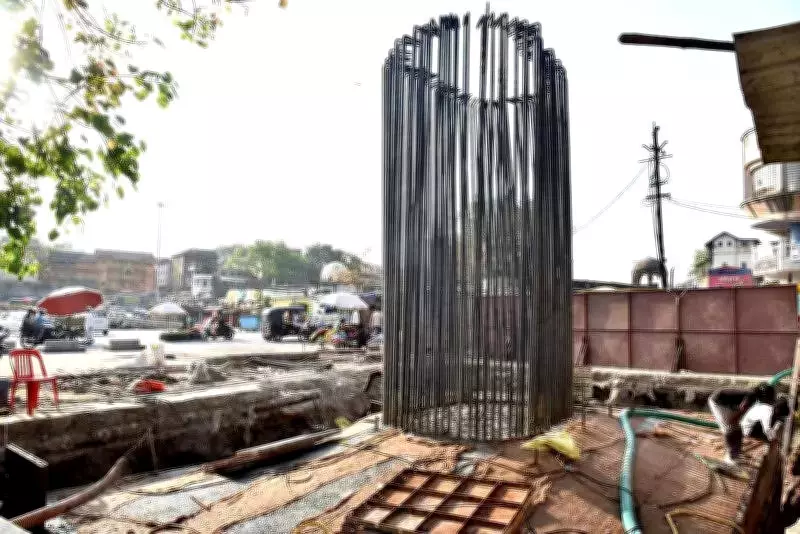
With an estimated cost of approximately Rs 24 crore, the Ram Jhula bridge is projected to be fully operational by March 2027. City Engineer Sanjay Agrawal confirmed that the tendering process has been successfully completed, and the work order has been formally issued to the selected contractor. "Construction of Ram Jhula is under way. Foundation work has already started within the riverbed," Agrawal stated, emphasizing the progress made so far.
The Nashik Municipal Corporation has set a firm deadline of March 2027 for the project's completion, ensuring it will be ready to accommodate the massive influx of pilgrims anticipated for the 2027 Simhastha Kumbh Mela. "We will finish the work within the stipulated time. The Ram Jhula will be ready to serve the large influx of devotees during the 2027 Simhastha Kumbh Mela," Agrawal assured.

Bridge Specifications and Connectivity
Expected to measure 175 metres in length, the Ram Jhula bridge will provide a seamless pedestrian link between Panchavati and the bustling Saraf Bazaar-Bhandi Bazaar-Kapda Bazaar areas on one side, and the Main Road locality on the opposite bank. This strategic connection aims to facilitate smoother movement for both residents and visitors, particularly during high-traffic events.
Additionally, the bridge will directly connect Balaji Kot to the Ganeshwadi vegetable market, enhancing accessibility and convenience for daily commuters and market-goers alike.
Broader Infrastructure Initiative
The Ram Jhula is part of a more extensive infrastructure plan by the Nashik Municipal Corporation, which includes the development of six new bridges along the Godavari river system. This comprehensive project carries a total budget of Rs 170 crore and is designed to significantly reduce traffic congestion during the Kumbh Mela.
- Three bridges will be constructed over the Godavari river within the city limits.
- Two additional bridges will be built over the Nandini river in the Nashik West division and the Waldevi river in the Nashik Road division.
- Another bridge is planned near the Tapovan sewage treatment plant on the Godavari.
The cable-stayed Ram Jhula is a distinct addition to these five new structures, all of which are aimed at improving traffic flow and pedestrian safety. The civic body has targeted March 2027 for the completion of all six proposed bridges across the Godavari and its tributaries, with construction work already initiated on each project.
Simhastha Kumbh Mela Context
The flag-hoisting ceremony for the upcoming Simhastha Kumbh Mela is scheduled for October 2026, followed by the three major Amrit Snans (holy baths) between August and September 2027. This grand religious event is expected to attract nearly five crore devotees to Nashik, underscoring the critical need for enhanced infrastructure like the Ram Jhula bridge to manage the unprecedented foot traffic and ensure a smooth experience for all participants.