Ministry Notifies New Procedure for Contesting Traffic Challans: Key Changes Explained
NEW DELHI: Did you know that you have the right to contest a traffic challan? In a significant move, the road transport ministry has now clearly laid down the procedure and timelines for doing so, aiming to streamline the process and enhance compliance. This development comes as a response to the concerning statistic that only about 38% of e-challans are paid by violators across states and union territories.
Why This Change Matters
The ministry's notification on Wednesday focuses on the payment and contestation of challans and e-challans for traffic and transport-related offences. This step is crucial because there have been instances where some states announced blanket relief to violators, which experts argue undermines the purpose of electronic monitoring systems designed to rein in errant drivers and vehicle owners. By establishing clear norms, the ministry hopes to address these issues and foster better traffic discipline nationwide.
Can You Contest a Challan? Understanding the Timeline
Yes, you can contest a challan. According to the new guidelines, you must either accept and pay the penalty mentioned in the challan or contest it within 45 days. This contestation should be done through the centralized echallan.parivahan.in portal, accompanied by documentary evidence, and submitted to the designated authority for redressal. Failure to contest within this 45-day period will be considered a deemed acceptance by the violator. In such cases, the penalty must be paid, either in physical or electronic form, within the next 30 days, making it a total of 75 days from the issue of the challan.

What Has Changed from the Previous System?
Previously, if a penalty was not paid within 90 days, it was automatically sent to a virtual court. However, with the matter sub judice, transport authorities were unable to halt any RC and DL-related services, such as transfer and renewal of RC, duplicate DL, NOC, and PUCC. This loophole often led people to skip paying penalties and ignore challans, even in states like Delhi that had contestation provisions. Under the new norm, no challan will go to court automatically, shifting the focus to timely resolution through the designated authority.
What Happens When You Challenge a Challan?
Any challan challenged before the authority via the portal must be resolved within 30 days after hearing the submission and reviewing documentary evidence. If the authority is convinced by the evidence, it can quash the challan. This decision must be recorded in writing and uploaded on the portal. If the authority rejects the submissions, it must provide written reasons. In that case, you need to pay the challan within 30 days of the order being uploaded on the portal.
What If You Disagree with the Authority's Order?
If you do not accept the authority's order, you can file an application before a court, but only after depositing 50% of the challan amount. If you neither pay the challan nor contest it in court within 30 days from the authority's order, it will be deemed that you have accepted it, and you must pay the full amount within the next 15 days.
Consequences of Non-Payment
Failure to pay the challan amount will result in daily notices until the specified deadline. In cases of non-payment, until the challan is disposed of, the licensing or registering authority will not process any applications, except those related to tax issues. Your driving license or vehicle will be flagged as 'Not to be Transacted' on the portal, and this status will be automatically intimated to you, potentially affecting your ability to use or transfer your vehicle.
Does This Apply to All Challans?
No, these procedures apply only to compoundable challans, which can be paid on the spot or through the portal. Non-compoundable challans must be settled in court. However, most current non-compoundable offences are set to become compoundable soon, as proposed in the Jan Viswas Bill 2.0, which has been introduced in Parliament, indicating a broader shift towards more accessible resolution methods.

Procedure for Generating and Issuing Challans
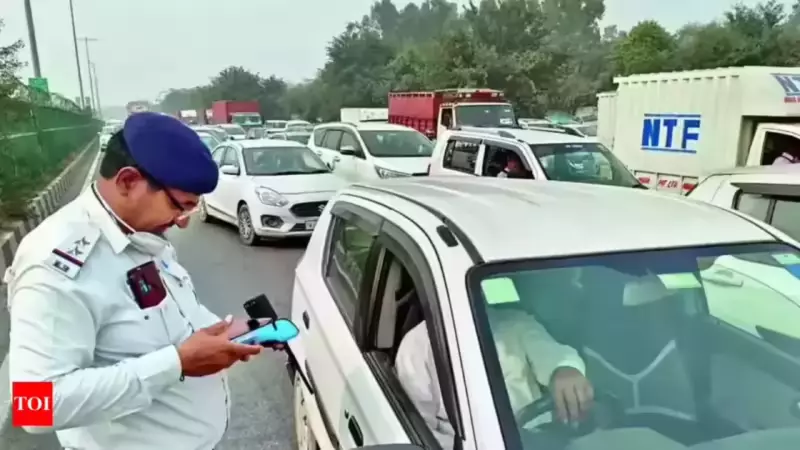
Any police officer in uniform or other authorized officers by states and union territories can issue physical or electronic challans for violations. States and UTs can auto-generate challans through electronic monitoring and enforcement systems or manually by officers, ensuring a standardized approach across regions.
Timeline for Delivery of Challans
Challans will be delivered physically within 15 days and by electronic means within three days. Details of all challans will be recorded chronologically on the portals of state and UT governments, including police departments, to maintain transparency and accountability.
Challenges Ahead
While the notified procedures aim to curb violations and instill better traffic discipline, some states are yet to notify the 'authority' responsible for looking into complaints and resolving them. This gap could pose implementation hurdles, highlighting the need for coordinated efforts between central and state authorities to ensure the system's effectiveness.