The National Green Tribunal (NGT) has issued a stern directive to the Chandigarh administration, ordering immediate action to rectify critical gaps in garbage and sewage processing that are contaminating local waterways. The tribunal expressed deep concern that repeated warnings have gone unheeded, demanding a time-bound roadmap to eliminate waste-handling shortcomings entirely.
Municipal Solid Waste Management
Chandigarh, a Union territory, generates 550 tonnes of municipal solid waste daily and claims full collection coverage. However, the NGT found that source segregation remains incomplete, with approximately 77 tonnes of garbage still collected in mixed form each day. The court ordered strict enforcement of segregation protocols before waste reaches processing plants to ensure compliance.
Compost Safety Concerns
The tribunal also flagged potential toxic risks in the city's agricultural compost. Although Chandigarh asserts that its biodegradable processing is safe, the NGT noted that previous warnings regarding heavy-metal content and its long-term impact on soil and crops had been ignored. The administration must now submit scientific data verifying compost safety.

Bio-Soil and Special Waste
Further investigation was ordered into the disposal of 44,390 tonnes of excavated bio-soil used for leveling low-lying land. The court demanded proof that the material is non-reactive and free from leachable contaminants. The NGT also criticized a lack of clarity in how Chandigarh tracks and processes sanitary, hazardous, and electronic waste.
Liquid Waste Management
On liquid waste, the NGT identified a daily treatment gap of 1.38 million litres of sewage. While officials claim infrastructure projects will bridge this deficit, the tribunal demanded immediate safeguards to prevent raw sewage from spilling into natural water bodies.
Treatment Plant Data Reliability
The court questioned the reliability of data from major treatment plants in Digian, Dhanas, and Kishangarh. These plants reported organic pollution levels as 'below detectable limits' but failed to disclose their testing thresholds, raising concerns about monitoring accuracy.
Fecal Contamination in Rivulets
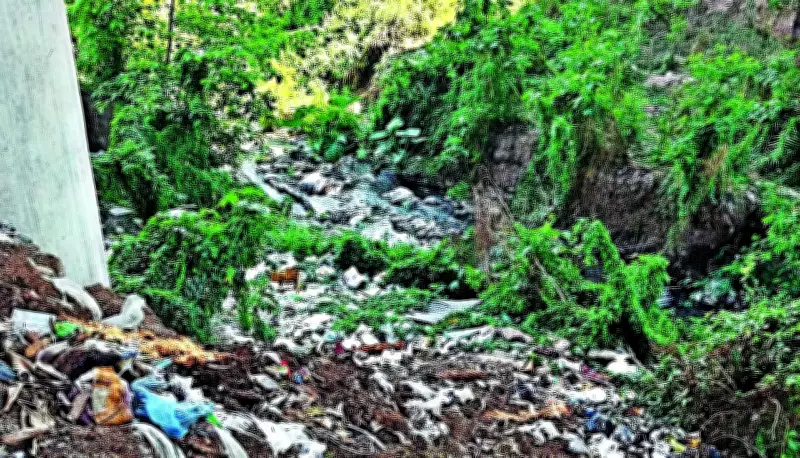
Most alarmingly, the tribunal noted severe fecal bacteria contamination in Chandigarh's seasonal rivulets. Despite claims of near-total sewer connectivity, leakages from local settlements are actively polluting the water. The NGT ordered authorities to map all discharge points, isolate contamination sources, and present a comprehensive containment plan in its next report.