

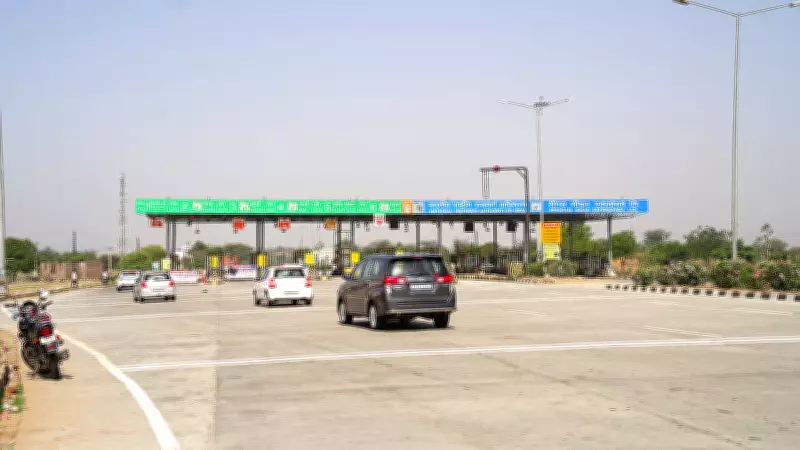
NHAI Directs FASTag Issuer Banks to Validate Vehicle Registration Numbers for Accurate Toll Collection
The National Highways Authority of India (NHAI) has issued a directive to all FASTag issuer banks, mandating them to validate vehicle registration numbers (VRNs) to ensure accurate toll collection across the country's highway network. This move aims to enhance the efficiency and reliability of electronic toll collection systems, which are integral to India's infrastructure development.
Critical Importance of VRN Mapping with FASTag
NHAI has emphasized that ensuring the correctness of VRN mapping with FASTag is of critical importance. Accurate mapping is essential to prevent toll evasion, reduce transaction errors, and streamline the overall tolling process. The authority highlighted that this step is particularly vital in the context of upcoming technology-driven initiatives, such as Multi-Lane Free Flow (MLFF) tolling, which aims to enable seamless and congestion-free travel on highways.
MLFF technology allows vehicles to pass through toll plazas without stopping, relying on advanced systems like GPS and cameras to automatically deduct tolls. For this to function effectively, precise VRN data linked to FASTags is necessary to avoid discrepancies and ensure smooth operations. NHAI's directive underscores its commitment to leveraging technology for improved highway management and user experience.

Implementation and Impact on Toll Collection
The validation process requires banks to cross-check and update VRN details associated with FASTag accounts, ensuring that all information is current and accurate. This initiative is expected to reduce instances of mismatched or incorrect data, which can lead to toll collection inefficiencies and user complaints. By enforcing stricter validation protocols, NHAI aims to bolster the integrity of the FASTag system, which has become a cornerstone of India's digital payment infrastructure for highways.
Industry experts note that this move could significantly enhance toll revenue collection by minimizing errors and fraud. It also aligns with broader governmental efforts to promote digital transactions and smart transportation solutions under initiatives like Digital India. The directive is part of NHAI's ongoing strategy to modernize toll operations and prepare for future advancements in highway technology.
Future Prospects and Technological Advancements
Looking ahead, NHAI's focus on accurate VRN validation sets the stage for the successful implementation of MLFF and other innovative tolling methods. As India continues to expand its highway network, such measures are crucial for maintaining operational efficiency and supporting economic growth through improved logistics and travel. The authority plans to monitor compliance closely and may introduce further guidelines to ensure seamless integration of these technologies.
In summary, NHAI's directive to FASTag issuer banks marks a proactive step towards refining toll collection mechanisms, with implications for both current operations and future tech-driven projects in the transportation sector.






