Nilgiris Mountain Railway Implements 5% Fare Increase After Four-Year Freeze
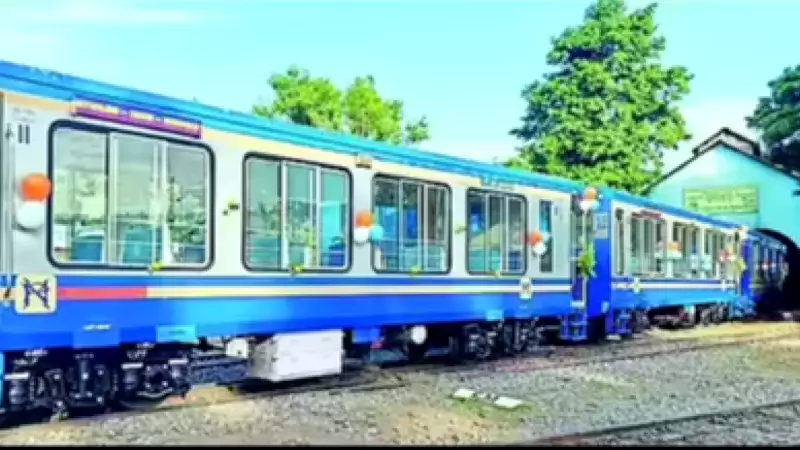
The iconic Nilgiris Mountain Railway (NMR), a UNESCO World Heritage Site, has officially implemented a revised fare structure, marking the first adjustment in ticket prices for regular trains since February 2020. The new rates came into effect on Saturday, introducing a 5% hike in the base fare for standard NMR services.
Details of the Fare Revision
According to an official release from the railways, the fare increase applies exclusively to the base fare of regular NMR trains. Importantly, there will be no changes to reservation charges, surcharges, or other additional fees. However, the existing Goods and Services Tax (GST) will continue to be levied as before.
Key points regarding the new fare policy include:

- Tickets purchased at the pre-revised rates prior to February 21 remain fully valid, with no requirement for passengers to pay any fare difference.
- All fresh tickets issued on or after February 21 will be charged at the revised rates, reflecting the 5% base fare increase.
- The fares for special trains and charter special trains operating within the NMR section remain unchanged, ensuring that tourist and exclusive services are not affected by this adjustment.
Historical Context and Operational Challenges
The Nilgiris Mountain Railway, which began operations in 1899, was designated as a UNESCO World Heritage Site in 2005 as part of the Mountain Railways of India. Over the years, the railway has faced significant operational cost escalations.
The release highlighted several financial pressures:
- Haulage charges in the NMR section have surged substantially since its establishment, with a staggering 204% increase specifically on the route between Mettupalayam and Coonoor.
- Other operational and maintenance expenses, along with staff costs, have also risen considerably, putting strain on the railway's finances.
Despite these mounting costs, the ticket fare for regular trains had remained unrevised since February 2020, leading to revenue losses. The 5% base fare increase is a strategic move by the railways to manage these financial challenges and ensure the sustainability of this historic rail service.
All other terms and conditions associated with NMR travel remain unchanged, preserving the overall experience for passengers while addressing economic realities.