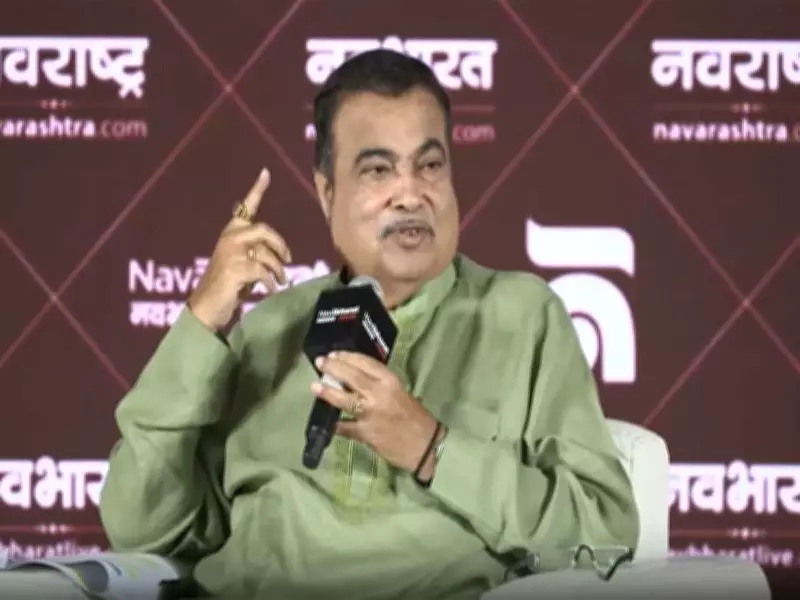
Union Minister for Road Transport and Highways Nitin Gadkari has reiterated the government's commitment to reducing India's dependence on fossil fuel imports by promoting alternative fuels such as hydrogen and ethanol. Speaking at an event in New Delhi, Gadkari challenged critics of the E20 petrol mandate to point out a single vehicle that had experienced issues due to the ethanol-blended fuel.
Government's push for alternative fuels
Gadkari emphasized that the adoption of hydrogen and ethanol is crucial for the country's energy security and environmental sustainability. He noted that India imports a significant portion of its crude oil requirements, which puts a strain on the economy. By promoting domestically produced alternative fuels, the government aims to reduce this dependency and create new economic opportunities in the agricultural and industrial sectors.
The minister also highlighted the success of the E20 fuel blend, which contains 20% ethanol. He stated that the mandate has been implemented smoothly and that there have been no reported issues from vehicle owners. Gadkari challenged critics to provide evidence of any problems, asserting that the technology is mature and widely accepted.

E20 petrol mandate and its impact
The E20 petrol mandate, which requires fuel to contain 20% ethanol, is part of the government's broader strategy to promote biofuels. The policy aims to reduce emissions, support sugarcane farmers, and cut the import bill. According to Gadkari, the mandate has been well-received and is contributing to the country's goals of achieving energy independence.
Gadkari also mentioned that the government is working on promoting hydrogen as a fuel for the future. Hydrogen fuel cell vehicles are being developed, and the government is investing in infrastructure to support their adoption. The minister called upon the automotive industry to innovate and embrace these new technologies.
Challenges and future outlook
While the transition to alternative fuels is progressing, challenges remain. The production of ethanol requires significant agricultural resources, and there are concerns about water usage and food security. However, Gadkari expressed confidence that these issues can be managed through sustainable practices and technological advancements.
The minister urged stakeholders to collaborate and work towards a greener future. He reiterated the government's commitment to providing policy support and incentives for the adoption of alternative fuels. With continued efforts, India aims to become a global leader in clean energy and reduce its carbon footprint.