Noida Administration Had Flagged Rescue Infrastructure Gaps Before Tragic Drowning
The district administration in Noida has informed the special investigation team (SIT) probing the drowning death of software engineer Yuvraj Mehta that it had repeatedly highlighted critical gaps in emergency response capabilities months before the tragic incident occurred. According to official submissions, the administration had specifically called for specialist divers and faster emergency mechanisms while issuing multiple safety advisories to development authorities.
Multiple Warnings Ignored Before January Tragedy
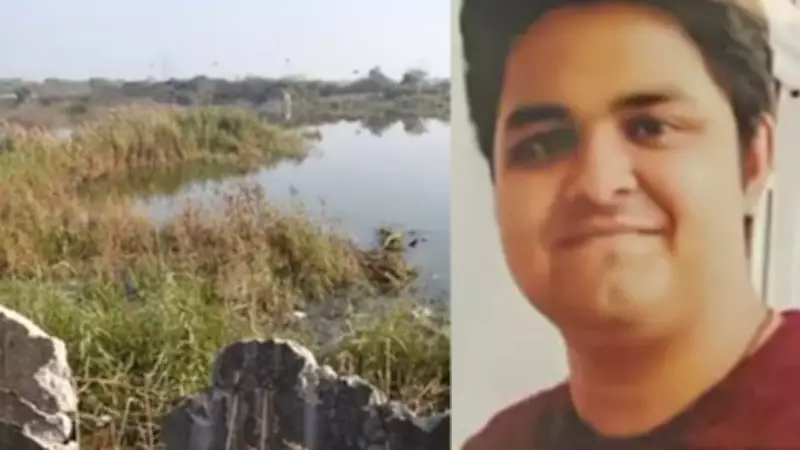
In its detailed submission to the SIT, the administration disclosed that despite writing to key agencies with specific recommendations, it received inadequate responses. Yuvraj Mehta's death on January 16 exposed severe shortcomings in Noida's emergency response system when agencies took over four and a half hours to reach him, even as he desperately flashed his phone's torch at responders who either couldn't swim or hesitated to enter the water.
The software engineer's father has accused police and other agencies of delaying rescue efforts. Investigators noted that the road Mehta traveled on his way home featured a dangerous sharp right-angle turn that became particularly hazardous amid dense fog, exacerbated by the absence of warning signs and proper lighting.

Proactive Measures Proposed Months Earlier
The administration's account reveals it had initiated measures to address these exact rescue gaps months before the tragedy. Following Yamuna river flooding in October last year, officials wrote to police requesting preparation of a roster of trained divers within the force for rapid mobilization during local rescue operations.
"The administration does not have trained force personnel to be deputed for relief and rescue operations. However, as district disaster management authority is the central coordinating and planning agency for such measures, the district magistrate wrote to the police commissioner last year to provide a list of trained divers from police and fire department," a senior official explained.
Infrastructure and Coordination Challenges
After September floods, the administration attempted to strengthen fire department capabilities by equipping them with additional response gear including boats, life rings, life jackets and protective shoes. The district administration also wrote to Noida Authority in September requesting land or housing to station State Disaster Response Force (SDRF) or National Disaster Response Force (NDRF) teams in the city for immediate response.
"The district administration can ask the state government to provide a team of SDRF or NDRF for Noida only if we have space to accommodate them. So, we wrote to Noida Authority to provide land or housing. However, we received no response," the official stated, highlighting implementation challenges.
Preventive Directives Issued Before Incident
The submission detailed several preventive measures initiated before Mehta's death:
- On August 22, 2025, during a district disaster management meeting, authorities were instructed to eliminate waterlogging and inspect safety standards in high-rise societies
- On December 16, as part of fog advisory, agencies were directed to fix potholes, identify accident-prone turns, and install proper signage, barriers, speed breakers and reflectors
- The transport department was asked to promote radium sticker usage for improved vehicle visibility
Systemic Coordination Issues Acknowledged
Officials admitted to significant inter-departmental coordination problems, noting that multiple development authorities, separate administration structures and police commissionerates operate with insufficient collaboration. "Better coordination between these agencies is the need of the hour," emphasized the senior official.
The administration also clarified its limited authority, stating that while it can issue recommendations to police and development authorities, these independently functioning agencies don't fall under its direct purview for implementation. This structural limitation has hampered the execution of critical safety measures that might have prevented the tragic drowning incident.