Noida Authority Rushes Safety Measures After Tragic Techie Death
In the wake of a devastating incident that claimed the life of a young software engineer, the Noida Authority has launched an urgent campaign to implement immediate safety improvements across the city. The tragic drowning of 27-year-old Yuvraj Mehta in a water-filled construction pit in Sector 150 last month has prompted authorities to take swift action while simultaneously developing comprehensive long-term safety strategies.
Immediate Safety Interventions on Ground
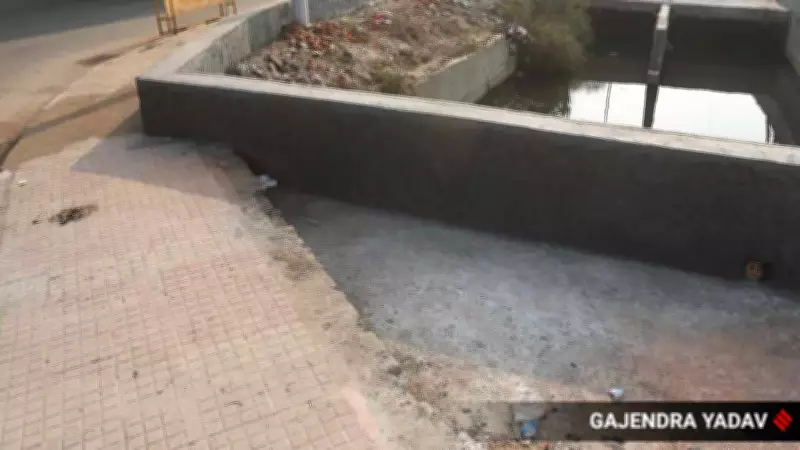
Over the past week, Noida has witnessed a flurry of activity as authorities work to address glaring safety hazards. Workers have been erecting 1.5-foot boundary walls along several open drains, particularly in areas like Sector 25A where concrete covers were missing from drainage systems. Simultaneously, construction sites throughout the city are being surrounded by temporary tin-sheet barricades painted in highly visible colors with distinctive markings.
In Sector 35, near Morna village, a sprawling construction site now features green-painted tin sheets marked with red and yellow crosses, creating a clear barrier between the road and deep excavation areas. These measures represent the first phase of what officials describe as a multi-layered approach to urban safety.

The Tragic Incident That Sparked Action
The urgency of these measures stems from the heartbreaking circumstances surrounding Yuvraj Mehta's death on January 16. The young professional's car plunged into an abandoned construction pit not far from his residence, with the vehicle slowly sinking into water-filled depths. Disturbingly, Mehta reportedly screamed for help for nearly two hours as emergency responders struggled to locate him in the darkness and dense fog that enveloped the unlit road.
This tragedy has highlighted systemic safety failures and prompted significant public pressure on municipal authorities to address infrastructure vulnerabilities that endanger citizens' lives.
Balancing Temporary and Permanent Solutions
Noida Authority officials acknowledge that the current measures represent temporary fixes while more substantial infrastructure improvements are planned. Chief Executive Officer Krishna Karunesh, who assumed his position following the Sector 150 tragedy, explained the dual-track approach being implemented.
"When it comes to placing concrete covers on open drains, creating concrete boundary walls, and restructuring road routes, these things take longer time and would be completed in a month," Karunesh stated. The Authority has established February 10 as the deadline for completing short-term interventions including crash barriers, deflectors, reflectors, and enhanced signage.
Enforcing Developer Accountability
In a significant move to ensure compliance, the Noida Authority has mandated that real estate companies address all public safety concerns at construction sites by February 28. Developers have been given five to seven days to implement temporary safety measures, after which authorities will conduct comprehensive site reviews.
Karunesh emphasized the consequences of non-compliance: "In case a developer fails to complete the work within the stipulated time, the Authority will undertake the work and recover the cost from the builder." This strict enforcement mechanism represents a departure from previous approaches and signals heightened accountability expectations.
Long-Term Safety Planning Underway
Beyond immediate interventions, the Noida Authority is developing more comprehensive safety improvements. Officials have identified several critical areas for enhancement, including:
- Safety improvements at major turns in Sectors 74, 75, 76, and 65
- Construction of additional U-turns to improve traffic flow
- Implementation of permanent concrete boundary walls
- Complete covering of open drainage systems
The Authority has also established a district-level road safety committee tasked with identifying critical safety points throughout the city. While the committee's report is still pending, its formation indicates a systematic approach to addressing urban safety challenges.

Systemic Changes Following Tragedy
The response to Mehta's death represents more than just reactive measures—it signals potential systemic changes in how Noida approaches urban safety. The appointment of a new CEO following the tragedy, the formation of specialized committees, and the strict enforcement timelines for developers all suggest a fundamental shift in priorities.
As Noida continues its rapid development as a major urban center in the National Capital Region, these safety initiatives highlight the growing recognition that infrastructure development must be balanced with robust safety protocols. The tragic loss of a young professional's life has become a catalyst for re-evaluating how the city protects its residents from preventable hazards in both public spaces and construction zones.