Odisha Government Implements OSWAS Digital System Across All Urban Local Bodies
In a landmark move for digital governance, the Odisha government has officially implemented the Odisha Secretariat Workflow Automation System (OSWAS) across all 115 urban local bodies throughout the state. This comprehensive rollout, announced on Wednesday, represents a decisive shift away from traditional paper-based administration toward a unified, end-to-end digital workflow platform.
Comprehensive Coverage and Technical Development
The housing and urban development department spearheaded this transformative initiative, extending OSWAS coverage to encompass all five municipal corporations, 48 municipalities, and 62 notified area councils. This creates a single, common digital platform designed to manage official files and administrative processes completely electronically.
The sophisticated system was developed through a strategic collaboration with Tata Consultancy Services (TCS) and is being implemented with crucial technical support from the Odisha Computer Application Centre (OCAC).

Ministerial Vision for Modern Governance
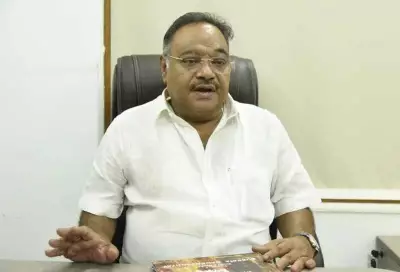
Housing and Urban Development Minister Krushna Chandra Mahapatra emphasized the system's transformative potential. "OSWAS will modernize urban governance fundamentally," he stated. "The system injects transparency, speed, and accountability into everyday administration. It empowers our urban local bodies to deliver superior, faster services to citizens, reflecting our steadfast commitment to building efficient, technology-driven institutions for a Viksit Odisha."
Addressing Longstanding Administrative Challenges
Officials clarified that the statewide implementation directly targets chronic inefficiencies in municipal administration. For years, the system was plagued by manual file movement, non-standardized and inconsistent workflows, weak monitoring mechanisms, and an over-reliance on physical records. These systemic gaps frequently resulted in significant service delivery delays and administrative inconsistencies.
Additional Chief Secretary Usha Padhee described the rollout as a paradigm shift. "The introduction of OSWAS across all urban local bodies marks a fundamental change in municipal governance," she noted. "This initiative is not merely a technology upgrade; it is a comprehensive process reform that standardizes workflows and enables real-time monitoring of all administrative actions."
Key Features and Implementation Strategy
A pivotal feature of the OSWAS platform is its real-time dashboard, which allows for continuous tracking of file movement and pendency. This provides officials at both the state and local levels with immediate, transparent visibility into ongoing administrative processes, thereby enhancing supervisory oversight and strengthening interdepartmental coordination.
The government adopted a meticulous implementation strategy. A pilot experiment was conducted prior to the full-scale expansion to test the system's efficacy. Furthermore, continuous monitoring and integrated feedback systems have been established to allow for ongoing optimization and refinement of the platform based on user experience and operational needs.
The overarching goals of this digital transformation are clear: to drastically reduce administrative delays, improve accountability at all levels, and foster a more transparent, responsive, and citizen-centric urban governance model across Odisha.