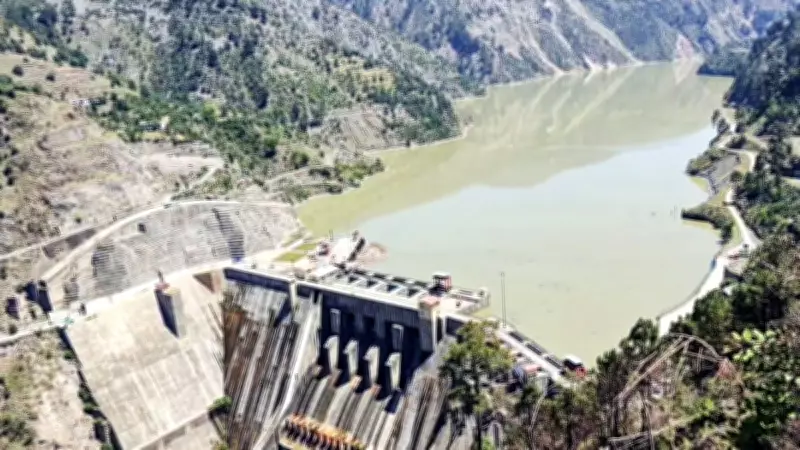
India has firmly rejected a ruling by a Hague-based court backed by Pakistan regarding the Indus Waters Treaty, asserting that the treaty continues to remain in abeyance. The decision marks a significant escalation in the ongoing water dispute between the two neighboring nations.
Background of the Indus Waters Treaty
The Indus Waters Treaty, signed in 1960 between India and Pakistan with the World Bank as a signatory, allocates the use of the Indus River system's waters. However, tensions have flared over India's construction of hydroelectric projects on rivers flowing into Pakistan. India maintains that its projects comply with the treaty, while Pakistan argues they violate its terms.
Hague Court Ruling
Pakistan had approached the Permanent Court of Arbitration in The Hague, seeking a ruling on the dispute. The court recently issued a decision favoring Pakistan's stance, but India has rejected it outright. New Delhi argues that the treaty's dispute resolution mechanism has not been exhausted and that the court lacks jurisdiction in this matter.

India's Ministry of External Affairs stated, "The Indus Waters Treaty remains in abeyance, and India does not accept the so-called ruling by the Pakistan-backed Hague court." The ministry emphasized that India remains committed to bilateral dialogue but will not submit to external arbitration that undermines its sovereignty.
Implications for Bilateral Relations
The rejection is likely to further strain already tense relations between India and Pakistan. Water security is a critical issue for both countries, with Pakistan heavily reliant on the Indus system for agriculture. India, on the other hand, views its hydroelectric projects as essential for clean energy and development.
International Reactions
The World Bank, as a guarantor of the treaty, has called for restraint and urged both parties to resolve the dispute through peaceful means. However, India's firm stance suggests that the treaty's future remains uncertain. Experts warn that the abeyance could lead to unilateral actions by both sides, potentially escalating into a larger conflict.
In conclusion, India's rejection of the Hague court's ruling underscores its determination to protect its interests under the Indus Waters Treaty. The coming months will be crucial in determining whether bilateral talks can revive the treaty or if the dispute will deepen further.