

Patna LPG Helpline Launched but Fails to Connect on First Operational Day
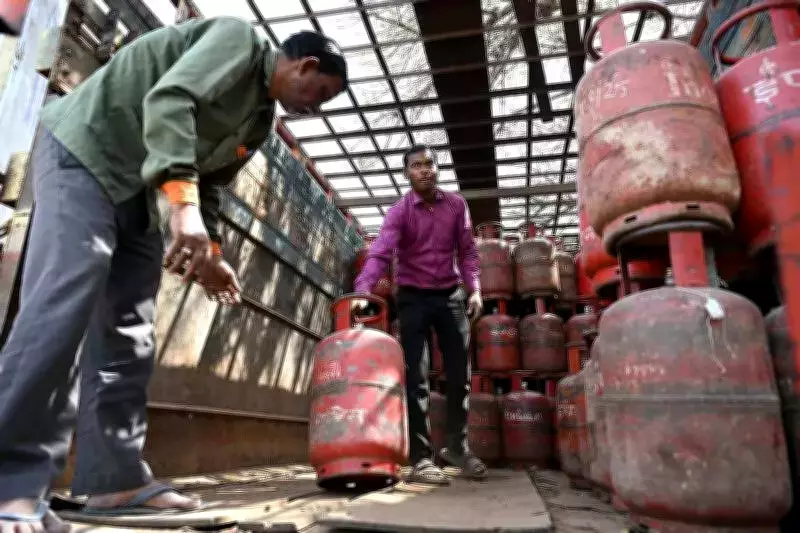
The Patna district administration introduced a dedicated helpline number on Thursday, aimed at assisting consumers with issues related to domestic LPG cylinder supply. This initiative was designed to address complaints about availability, delivery delays, and irregularities, providing a direct channel for reporting problems such as hoarding and illegal sales.
Helpline Details and Initial Response
Consumers were instructed to call 0612-2219810 between 9 am and 6 pm to lodge grievances or seek information. Officials assured swift action to curb black marketing of this essential commodity, emphasizing the helpline as a key relief mechanism. According to Puja Kumari, the officer in charge at the control room, the service received 35 calls on Thursday and 54 on Friday, indicating some initial engagement from the public.
System Failure and Consumer Frustration
Despite these assurances, the helpline system appeared to fail its first practical test on Friday. Repeated calls made between 3 pm and 6 pm went unanswered, with various issues reported:

- Phones rang until calls dropped without any response.
- On some occasions, a message indicated the line was busy.
- In many instances, a recorded message stated, "Please check the number you have dialled and try again later."
This gap between the announcement of the relief mechanism and its actual functioning left consumers without a reliable channel to lodge grievances, undermining trust in the administration's efforts.
Administrative Measures and Explanations
In response to the complaints, officials noted that the large volume of incoming calls sometimes kept the line busy. To improve efficiency, the number of telephone sets for the helpline was increased from two to five starting Friday. However, these adjustments did not prevent the initial failures, highlighting challenges in implementing effective consumer support systems.
The situation underscores the need for robust infrastructure and timely responses to ensure that such initiatives meet their intended goals of providing relief and curbing malpractices in essential commodity supply.






