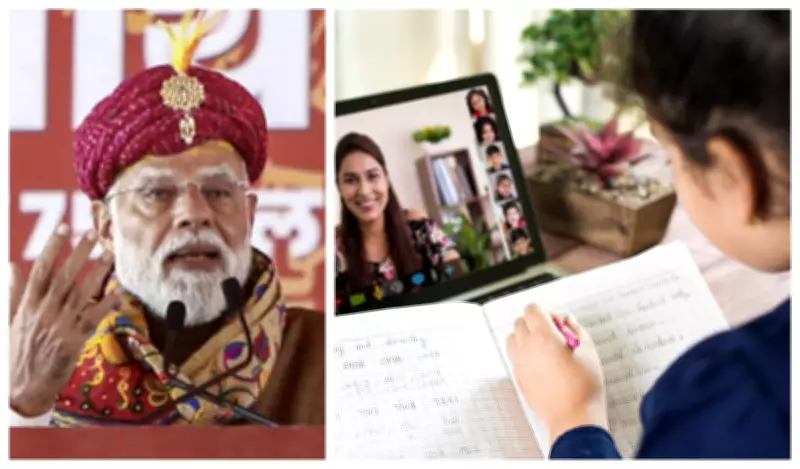
Prime Minister Narendra Modi has intensified his appeal for austerity measures, calling for online classes for schoolchildren and a renewed push for work-from-home arrangements to address the ongoing fuel crisis. The Prime Minister also urged citizens to avoid destination weddings abroad and reduce the consumption of edible oils in light of the escalating crisis in West Asia.
Doubling Down on Austerity
Speaking on the need for collective action, PM Modi emphasized that small changes in daily habits can significantly reduce the strain on fuel and essential commodities. He highlighted that the adoption of online classes and remote work can cut down on transportation fuel usage, thereby alleviating the pressure on supply chains.
Key Recommendations
- Online Classes: Schools and educational institutions are encouraged to shift to virtual learning modes to minimize commuting.
- Work from Home: Companies and organizations should promote remote work options to reduce fuel consumption.
- Avoid Destination Weddings: Citizens are advised to postpone or cancel wedding plans abroad, which involve extensive air travel and fuel usage.
- Reduce Edible Oil Consumption: Households are urged to cut down on cooking oil usage to help manage the global supply crunch triggered by the West Asia crisis.
Context of the Crisis
The Prime Minister's remarks come amid a severe fuel shortage that has disrupted transportation and daily life across the country. The crisis has been exacerbated by geopolitical tensions in West Asia, which have impacted global oil and edible oil supplies. Modi's appeal is part of a broader strategy to promote self-reliance and reduce dependency on imported resources.

In his address, Modi called for a national movement towards frugality and mindful consumption, stating that every citizen's contribution is vital for the nation's resilience. He also assured that the government is working on long-term solutions to stabilize fuel prices and ensure energy security.
The announcement has sparked discussions among educators, business leaders, and the public about the feasibility and impact of such measures. While some applaud the initiative as a necessary step, others raise concerns about the readiness of digital infrastructure and the economic implications of reduced travel and consumption.