

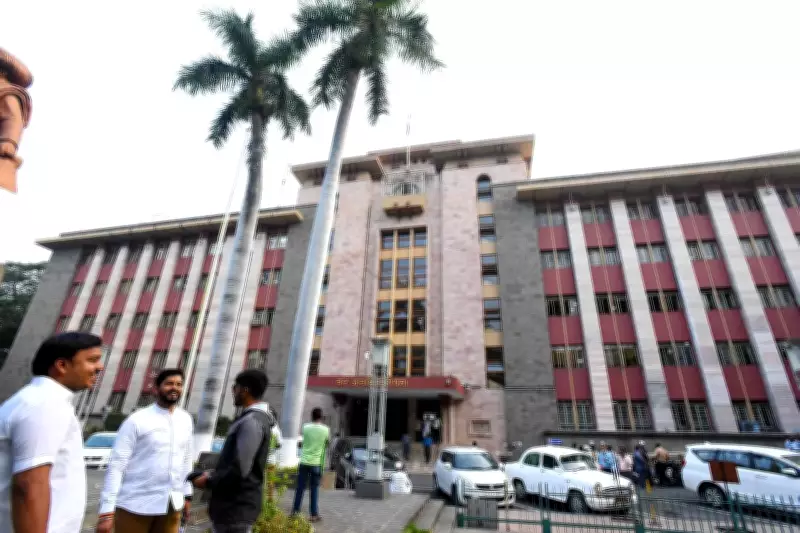
The Pune Municipal Corporation (PMC) is planning a policy to regulate the naming of public places within its jurisdiction. This initiative comes after criticism that names of political leaders and their relatives have been arbitrarily assigned to civic properties. A proposal regarding this was presented before the PMC general body on Monday.
Key Features of the Proposed Policy
The proposed policy emphasizes that only names of prominent national personalities should be given to civic-owned facilities. A mandatory condition is that the majority of corporators in the concerned ward must reach a consensus for such naming.
Background and Criticism
A senior civic official, speaking on condition of anonymity, told TOI, “The final decision on the proposal has not yet been taken in the general body. It was adjourned due to the code of conduct enforced for the Member of Legislative Council (MLC) elections scheduled in June.” Citizens have pointed out that agitations occurred in 2024 after a political leader’s relative’s name was given to a public garden in the Salisbury Park area. The civic administration was then forced to change the name following residents’ objections.

Vivek Velankar of the citizens’ group Sajag Nagrik Manch said, “Many elected members have been giving names of their relatives to public properties. In many cases, it was found that the person whose name was given to the public place had hardly any contribution to that project or work.” He added, “If the new policy is approved, PMC will have to ensure it is implemented on the ground.”
Consensus Requirements
The policy outlines specific requirements for naming based on ward size:
- Four-member ward: Signatures of all four elected local members are required as proposers and seconders. If no consensus, signatures of at least three members are accepted.
- Five-member ward: Priority is given to signatures of all five members. Without consensus, signatures of at least four elected members are required.
- Flyover or subway on boundary of two wards: Signatures of all eight members from both wards (by consensus) or at least six members (if no consensus) are necessary.
- Boundary of three wards: Priority is given to signatures of all 12 elected members. Without consensus, signatures of at least nine local elected members are required.
The policy aims to bring transparency and prevent the misuse of naming public spaces for political gains.






