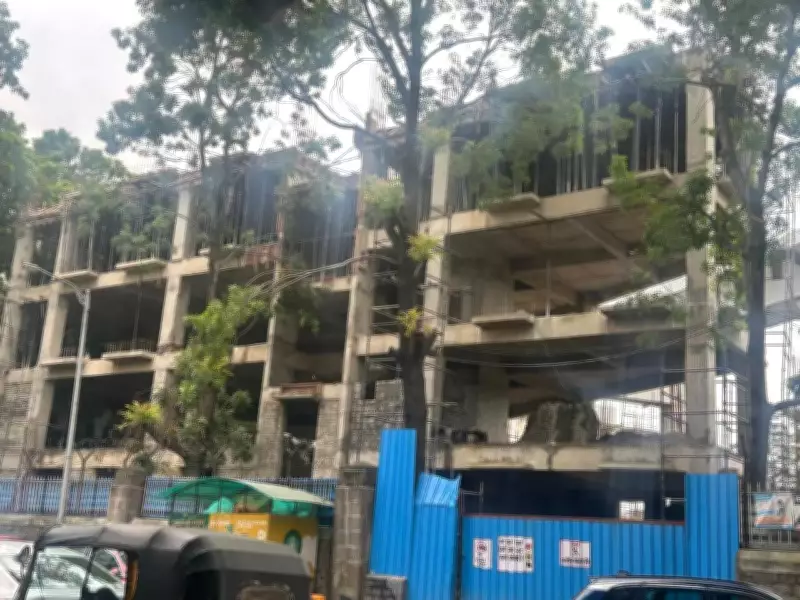
The Pune Metropolitan Region Development Authority (PMRDA) has issued a stern warning to Tata Projects Limited regarding the protracted construction of the Protection of Children from Sexual Offences (POCSO) court building at the Shivajinagar district court campus. The authority has directed the firm to complete the project by the end of September, cautioning that failure to meet this deadline will result in contract termination and legal proceedings.
Ultimatum Issued During Review Meeting
PMRDA Commissioner Abhijeet Chaudhari issued the ultimatum during a status review meeting held on Thursday. Expressing strong displeasure over the slow pace of work, Chaudhari noted that the contractor had already been granted a significant extension. He stated, "The building, including all modifications suggested by the court, must be completed by the end of September. If the work is not finished within the next four months, we will propose the termination of the contract and initiate strict legal action." The meeting was attended by PMRDA Chief Engineer Rinaz Pathan, Superintendent Engineer Yogesh Kulkarni, and representatives from Tata Projects Limited.
Project Details and Delays
The ground-plus-four-storey building is being constructed specifically for cases under the POCSO Act. PMRDA had originally awarded the Rs 9.71 crore tender to Tata Projects with an initial completion date of July 3, 2025. However, due to repeated execution delays, the PMRDA had previously imposed a penalty on the company and pushed the deadline to March 30, 2026. Despite this revised deadline having already expired, the project remains incomplete.

Penalty Waiver Rejected
During Thursday's meeting, representatives from Tata Projects requested a waiver of the Rs 34 lakh penalty imposed for the delays. Commissioner Chaudhari summarily rejected the request, upholding the fine. The new September deadline accounts for the additional modifications requested by the judicial authorities.
Zero-Tolerance Policy
PMRDA officials noted that the commissioner has adopted a zero-tolerance policy toward infrastructure delays, regularly reviewing stalled projects and taking a stricter stance against contractors. According to the authority, this increased monitoring and the threat of blacklisting or termination have recently helped accelerate work on several other pending projects across the region.