

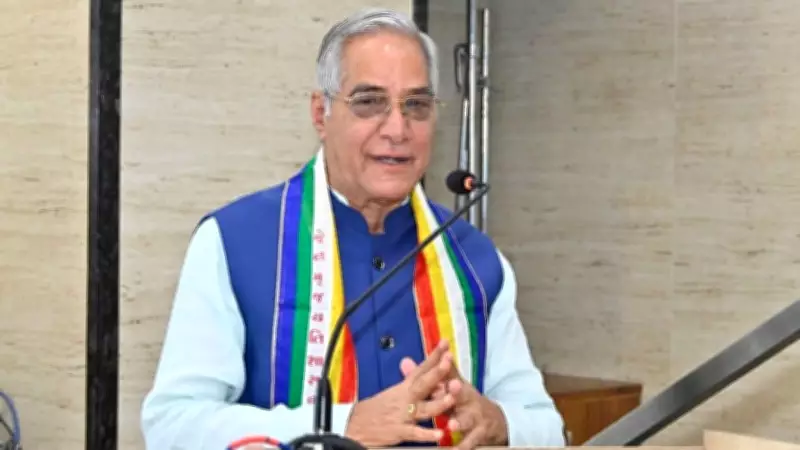
Postal Network to Boost Jan Aushadhi Kendras: Minister Scindia Endorses MP's Plan
In a significant move to enhance healthcare accessibility, Union Minister Jyotiraditya Scindia has publicly endorsed a proposal by Member of Parliament Lahar Singh Siroya to leverage India's extensive postal network for expanding the infrastructure of Jan Aushadhi Kendras. This initiative aims to utilize the vast reach of the Department of Posts to distribute affordable generic medicines more effectively across the country.
MP's Proposal Gains Ministerial Support
Lahar Singh Siroya, representing Karnataka, first presented this innovative idea in Parliament, highlighting how the postal department's existing network could be strategically employed to overcome logistical challenges in setting up and operating Jan Aushadhi Kendras. These kendras, part of the Pradhan Mantri Bharatiya Janaushadhi Pariyojana, provide low-cost generic drugs to the public, but their expansion has often been hampered by infrastructure limitations.
Minister Scindia's backing signals strong governmental interest in exploring this collaborative approach. By integrating postal services, the plan could potentially:

- Increase Reach: Tap into over 150,000 post offices nationwide, many in remote and rural areas, to establish or support Jan Aushadhi Kendras.
- Reduce Costs: Utilize existing postal infrastructure to lower setup and operational expenses, making medicines more affordable.
- Enhance Efficiency: Leverage postal logistics for reliable medicine distribution and inventory management.
Potential Impact on Healthcare Access
This proposal comes at a critical time as India continues to prioritize healthcare affordability and accessibility. Jan Aushadhi Kendras have already made strides in providing quality generic medicines at significantly reduced prices, but their penetration in underserved regions remains a challenge. The postal network, with its deep-rooted presence in every corner of the country, offers a ready-made solution to bridge this gap.
Experts suggest that such a partnership could revolutionize how essential medicines are delivered, especially in areas lacking adequate healthcare facilities. It aligns with broader national goals under schemes like Ayushman Bharat, which focus on universal health coverage. The endorsement by Minister Scindia, who oversees key portfolios, adds substantial weight to the proposal, indicating it may move from discussion to implementation phases soon.
Next Steps and Challenges
While the idea holds promise, its execution will require careful planning and coordination between the Ministry of Health and Family Welfare, the Department of Posts, and other stakeholders. Key considerations include:
- Training Postal Staff: Ensuring postal employees are equipped to handle medicines and related services.
- Regulatory Compliance: Adhering to drug storage and distribution regulations to maintain quality and safety.
- Funding and Resources: Allocating necessary budgets and resources to integrate healthcare services into postal operations.
As this development unfolds, it represents a creative fusion of traditional postal services with modern healthcare needs, potentially setting a precedent for other public service integrations. The support from Minister Scindia underscores a proactive approach to leveraging existing assets for societal benefit, marking a positive step toward more inclusive healthcare in India.






