

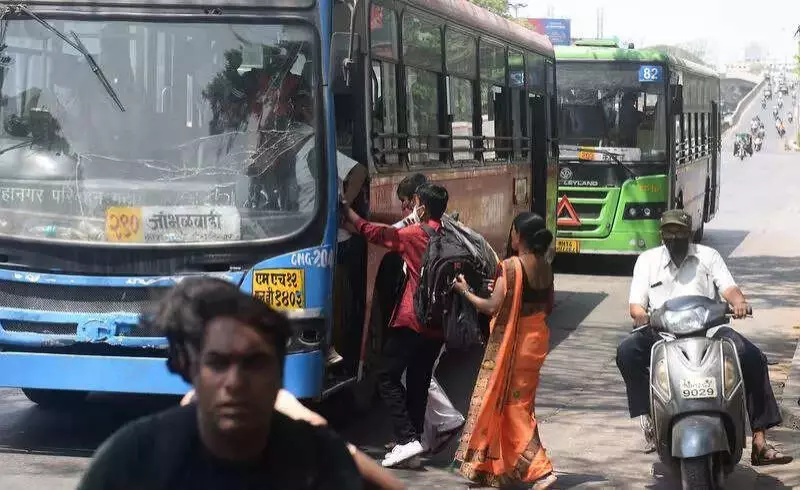
Pune Transport Debate Heats Up Over Free Rides Promise
Deputy Chief Minister Ajit Pawar recently made a bold announcement. He promised free PMPML bus and Metro rides if his party wins the upcoming corporation elections. This pledge has sparked intense debate across Pune's political and urban planning circles.
Political Reactions and Practical Concerns
Chief Minister Devendra Fadnavis quickly dismissed the idea as impractical. He criticized Pawar's proposal directly. Meanwhile, transport experts raised immediate concerns about the city's existing infrastructure.
Urban transport specialist Pranjali Deshpande emphasized urgent needs. "We must focus on procuring more vehicles without delay," she stated. "The service has to become reliable first. Free rides might increase ridership, but we primarily need more buses and better service quality."

Deshpande pointed out a troubling pattern. "Political parties keep talking about freebies. Yet they avoid prioritizing public transport improvements. These same parties previously removed the Bus Rapid Transit System."
The Infrastructure Challenge
Deshpande outlined necessary measures for effective public transport. "The state government should implement policies that discourage private vehicle use. Only then will people transition to public transportation. Currently, this shift isn't happening."
She highlighted a critical Metro issue. "The best way to boost Pune Metro ridership involves ensuring proper last-mile connectivity. This fundamental requirement remains unaddressed."
Harshad Abhyankar from Save Pune Traffic Movement identified specific targets. "Politicians should focus on providing at least 55 PMPML buses per lakh population. They need to adjust rates strategically to ensure good ridership. Pune needs affordable and available public transport above all."
Abhyankar stressed coordination. "Metro, PMPML, and autorickshaw rates must work together seamlessly. Currently, they don't."
Supportive Voices and Economic Arguments
Ranjit Gadgil, programme director of NGO Parisar, offered a different perspective. He called the free transport idea a potential game changer.
"This proposal decisively rejects the old notion that public transport represents a loss-making 'white elephant,'" Gadgil explained. "Instead, it recognizes PMPML's critical role in reducing traffic congestion."
He presented compelling economic data. "The idea acknowledges direct congestion costs from excessive private vehicles. These include fuel wastage and man-hour losses totaling around Rs 900 crore annually. This amount far exceeds the Rs 300 crore needed to improve public transport with fare-free services."
Gadgil noted additional uncalculated costs. "Indirect burdens on citizens include air pollution, greenhouse gas emissions, and road accidents. Pune has over 15 lakh vehicles causing these problems."
He cited positive evidence. "Tamil Nadu already shows favorable social and economic outcomes from fare-free public transport. This idea could become transformative, inclusive, and sustainable rather than just another freebie."
Autorickshaw Unions Express Alarm
Autorickshaw representatives reacted strongly against the proposal. Nitin Pawar, general secretary of the Rickshaw Panchayat Union, questioned the impact on drivers' livelihoods.
"People will naturally choose free buses and Metro rides," he warned. "This move will leave auto drivers in a desperate situation. We have demanded stopping the open permit system for autos in Pune and Pimpri Chinchwad for years."
He proposed alternative measures. "The state government should first stop the open permit system. Then they must limit private vehicle numbers in the city while controlling CNG prices. Autorickshaw drivers face terrible financial conditions, yet nobody considers their plight."
Keshav Kshirsagar, president of Baghtoy Rickshawaala Sanghatna, echoed these concerns. The president of Indian Gig Workers Front expressed similar sentiments.

Financial Implications and Implementation Questions
Sanjay Shitole from PMP Pravasi Manch raised practical financial questions. "PMPML earns approximately Rs 2 crore daily from ticket sales. Making rides free would eliminate this revenue stream."
He questioned the proposal's feasibility. "Won't this create additional pressure on Pune and Pimpri Chinchwad municipal corporations? Is there any specific vision for actually implementing this idea?"
The debate continues as Pune residents await clearer solutions for their daily commute challenges.





