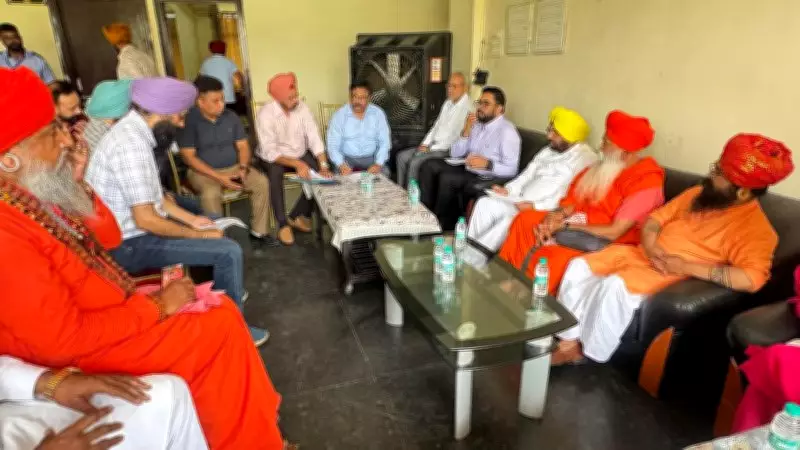
Minister Reviews Progress of Rs 17.72 Crore Projects
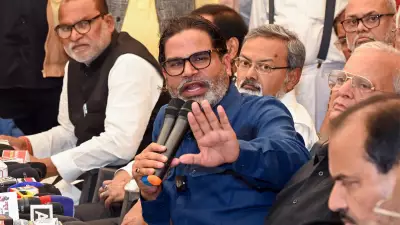
Punjab Public Works Minister Harbhajan Singh ETO conducted a review of ongoing development and beautification works at Bhagwan Valmiki Tirath Sthal on Saturday. He instructed officials to complete all projects within the stipulated timeframe while maintaining high quality standards. The minister chaired a meeting with Bal Jogi Pragat Nath, Chairman of the Advisory Board of the Bhagwan Valmiki Ji Tirath Sthal Shrine Board; Deputy Commissioner-cum-Chief Executive Officer Dalwinderjit Singh; General Manager Madhur Bhatia; senior officials; and representatives from various departments. He later paid obeisance at the shrine and prayed for peace and prosperity.
Key Allocations for Sarovar and Temple Upgrades
The minister stated that the Punjab Government has sanctioned development works worth Rs 17.72 crore, progressing rapidly. Of this, Rs 3.74 crore is allocated for cleaning and rejuvenating the holy sarovar, including de-silting, laying fresh sand, and other related tasks. Projects worth Rs 2.80 crore cover painting and polishing the main temple, repairing pillars along the approach road, and silicon treatment of sandstone structures. Another Rs 2.42 crore is being used to repair stonework in the sangat hall and paint the langar hall, sarai, and panorama hall.
Pilgrim Amenities and Sewage Upgrades
The minister noted that Rs 1.74 crore is being spent on new furniture, air-conditioners, and other amenities in pilgrims' accommodation. Over Rs 5 crore will enhance the sewage treatment plant's capacity, renovate bathrooms, install new air-conditioners and geysers, and upgrade the fire safety system. He asserted that there is no shortage of funds for the shrine's development and urged timely completion so devotees can benefit from improved facilities.

Bal Jogi Pragat Nath emphasized the need for a permanent sewage disposal solution to ensure better sanitation and long-term maintenance. He directed officials to complete all ongoing works, especially the holy sarovar cleaning, well before the Pragat Diwas of Bhagwan Valmiki.