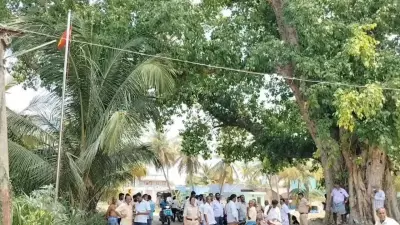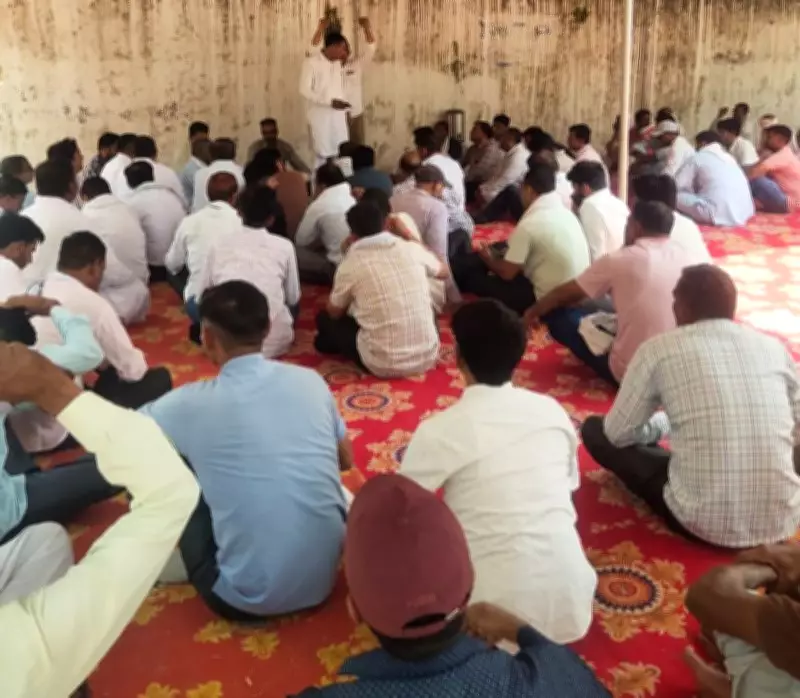
Employees of the Public Works Department (PWD) in Haryana's Sirsa district held a protest on Friday against the state government's decision to transfer rural water supply schemes to local panchayats. The demonstrators gathered near the district headquarters, demanding the rollback of the order, which they claim will lead to job losses and compromise the quality of water services.
Background of the Protest
The Haryana government recently issued a directive to shift the management and maintenance of rural water supply schemes from the PWD to gram panchayats. This move is part of a broader decentralization policy aimed at empowering local bodies. However, PWD employees argue that panchayats lack the technical expertise and resources to handle these schemes effectively.
Concerns Raised by Employees
The protesting employees, represented by the PWD Workers Union, highlighted several issues. First, they fear that the transfer will render many PWD workers redundant, as their roles in water supply management will be eliminated. Second, they claim that panchayats are not equipped to ensure uninterrupted water supply, especially in remote villages. Third, the union pointed out that the decision was taken without consulting the employees or considering their welfare.

One of the protesters, a PWD engineer who wished to remain anonymous, said: "We have been maintaining these water supply systems for decades. Handing them over to panchayats without proper training or funding will lead to chaos."
Government's Stance
In response, district officials stated that the transfer is aimed at improving efficiency and accountability at the grassroots level. They assured that panchayats would receive adequate training and financial support from the state government. A senior official from the panchayat department said: "This is a progressive step to involve local communities in managing their own resources. We are confident that panchayats will rise to the challenge."
Impact on Services
The protest has raised concerns among residents of Sirsa's rural areas, who depend on PWD-managed water supply for their daily needs. Many villagers fear that the transition could lead to disruptions in water availability. For instance, in villages like Rania and Dabwali, residents have reported irregular water supply in the past, and they worry that panchayats may not prioritize maintenance.
Meanwhile, the PWD union has threatened to escalate the protest if their demands are not met. They have called for a statewide agitation and plan to approach the Haryana High Court if necessary. The union also urged the government to form a committee to review the decision and address employee concerns.
Broader Implications
The controversy highlights the challenges of decentralization in India's water management sector. While empowering panchayats is a laudable goal, experts argue that it must be accompanied by capacity building and adequate funding. Furthermore, the transfer of responsibilities without proper safeguards can undermine service delivery and employee morale.
As the protest continues, all eyes are on the Haryana government's next move. The outcome of this dispute could set a precedent for similar transfers in other districts.