Railways Shield Fare Formula as 'Trade Secret', Block RTI Disclosure
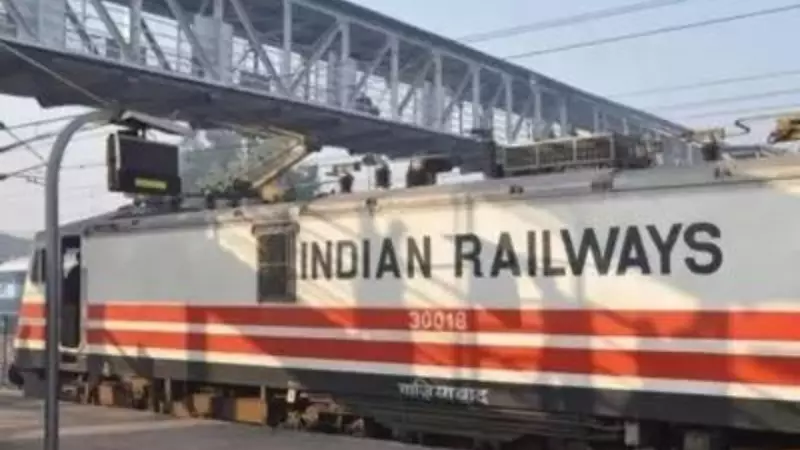
The Indian Railways has firmly refused to reveal how it calculates passenger train fares. The national transporter told the Central Information Commission that this methodology qualifies as a "trade secret." It argued the information falls under intellectual property rights and cannot be shared under the Right to Information Act.
Commission Dismisses Appeal for Fare Transparency
The CIC recently dismissed an application seeking detailed insights into ticket pricing. The applicant had filed an online request on January 25, 2024. They asked for specifics on the base fare calculation mechanism for train tickets.
The query included questions about dynamic pricing models and the impact of Tatkal bookings. It sought information with particular reference to the Paschim Superfast Express service.

Railways Cite Commercial and Social Mandate
In its official reply, the Central Public Information Officer of the Railway Board provided a clear stance. The CPIO stated that fares are charged based on travel class. Differences in pricing between various classes reflect the facilities provided to passengers.
"The classification and methodology of fare fixation for different classes involves policy mechanisms," the railways stated. "This falls within the domain of trade secret and intellectual property rights. Its disclosure is not considered appropriate in the public interest."
The officer clarified that such information need not be shared under Section 8(1)(d) of the RTI Act. This section lists exemptions for sensitive data, including trade secrets. The railways noted that the CIC has upheld this position in earlier orders.
The national transporter also highlighted its dual role. "It is a known fact that Indian Railways operates as a commercial utility," the response said. "Simultaneously, as an instrumentality of the state, it must discharge various social obligations in the national interest."
CIC Finds No Grounds for Intervention
The information commission reviewed the case thoroughly. It noted that the public information officer had already provided all disclosable information. This included general principles of railway rating policies.
The commission stated the officer was not required to create or interpret data beyond available records. Information Commissioner Swagat Das presided over the hearing.
Finding no infirmity in the railways' reply, and noting the appellant's absence during the proceedings, Das concluded no further intervention was necessary. The commission subsequently disposed of the appeal.
This decision reinforces the railways' ability to withhold commercial pricing strategies. It sets a precedent for how fare-related information requests may be handled under the RTI framework in the future.