Heavy Rain Exposes City's Vulnerability
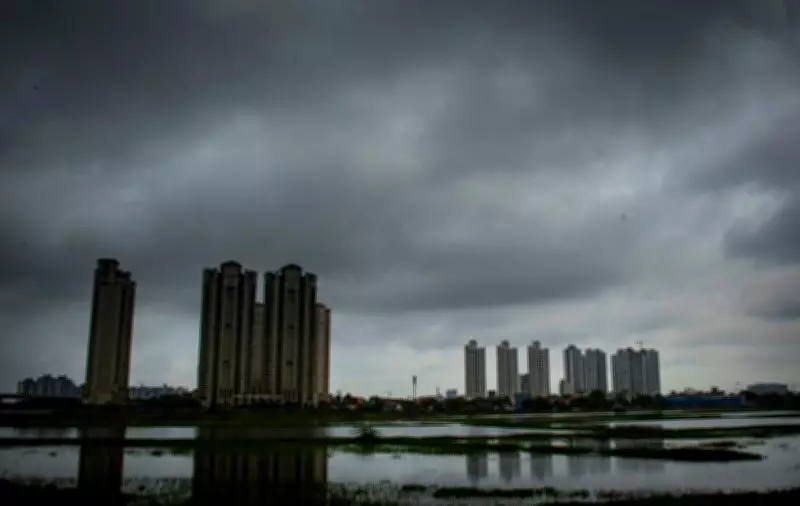
Gurugram received 115 mm of rainfall over 33 hours, bringing the city to a standstill and once again highlighting its chronic waterlogging problem. Civic authorities attribute the crisis to unchecked urban densification and rampant illegal construction that have overwhelmed the existing drainage infrastructure.
Illegal Buildings and PGs Blamed
Officials from the Municipal Corporation of Gurugram (MCG) and the Gurugram Metropolitan Development Authority (GMDA) stated that a majority of the city's 20 major waterlogging hotspots are located in areas with unauthorised stilt-plus-four and stilt-plus-five buildings and illegal paying guest (PG) accommodations. These structures have dramatically increased population density without any corresponding augmentation of civic infrastructure.
Residential properties originally planned for single-family occupation have been converted into multi-storey buildings accommodating dozens of tenants, placing enormous pressure on sewerage and stormwater drainage systems.

Enforcement Drive in DLF Phase 3
The scale of violations is reflected in the ongoing enforcement drive by the Department of Town and Country Planning (DTCP) in DLF Phase 3, where hundreds of illegal PG rooms have been sealed and unauthorised constructions, including structures raised in stilt parking areas and mandatory setbacks, have been demolished.
Worst-Affected Areas
According to MCG and GMDA, the worst-affected locations during the latest rain spell include DLF Phases 1 to 5, Sushant Lok, Sector 14, Sector 17, Khandsa Road, and Sheetla Mata Road. Areas such as Sector 9, Kadipur, and the NH-8 corridor continue to face flooding due to encroachments on stormwater drains. Officials said excessive structural load in densely populated urban villages has further crippled the drainage network.
Officials Speak Out
MCG Commissioner Pradeep Dahiya told The Tribune: "The population density in these pockets has shot up much faster than the drainage network was designed for. In many areas, especially urban villages like Dundahera, properties that were legally meant to house four families are currently accommodating 20 to 25 families. These unauthorised PGs and extra floors are heavily overloading the local infrastructure, creating severe sewerage and drainage issues. They clog our sewer lines and choke the rainwater harvesting systems, meaning the water accumulates on the streets instead of recharging the ground."
GMDA Chief Executive Officer PC Meena echoed the concern, stating that whenever population density rises without a matching expansion of civic infrastructure, the drainage system inevitably fails to cope with heavy rainfall.
Residents Demand Long-Term Solutions
With more than 4,500 property violations already identified across the DLF phases, Residents Welfare Associations in several HSVP sectors, including Sector 17, have demanded long-term structural measures instead of routine pre-monsoon desilting of drains. They argue that the city's drainage network requires a comprehensive upgrade to match its rapid urban growth.