

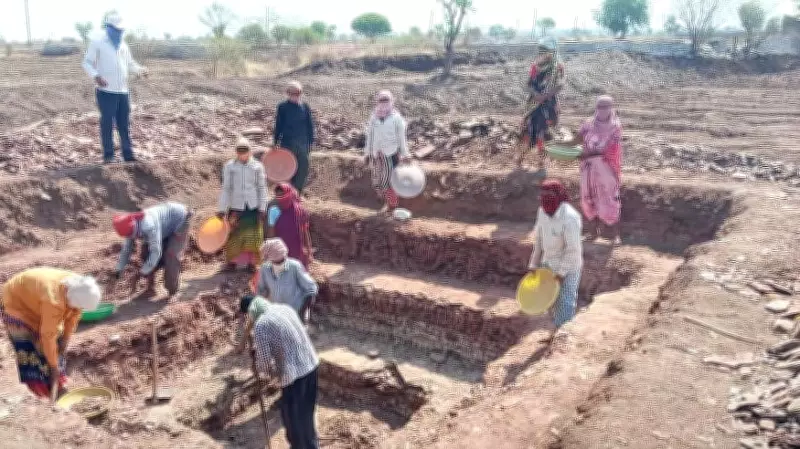
Rural Job Scheme Anti-Graft Efforts Stalled by Poor Follow-Up in Karnataka, Gujarat
A recent analysis of social audit data has exposed significant shortcomings in the enforcement of anti-corruption measures within rural job schemes across two major Indian states. The findings reveal a stark disparity in the detection and handling of financial irregularities, raising serious concerns about the effectiveness of governance and accountability mechanisms in these programs.
Karnataka's Alarming Figures: 1.34 Lakh Cases and Rs 327 Crore Misappropriated
According to reports from the Directorate of Social Audit, Karnataka has been grappling with a massive scale of corruption in its rural job scheme between 2006 and 2026. The data indicates that a staggering 1.34 lakh cases of misappropriation were identified, involving a total sum of approximately Rs 327 crore. This highlights a pervasive issue where funds intended for rural employment and development have been systematically diverted or mismanaged.
The sheer volume of cases in Karnataka underscores deep-rooted challenges in monitoring and compliance. Experts suggest that inadequate follow-up actions, such as delayed investigations, weak prosecution, and lack of punitive measures, have allowed these malpractices to persist over two decades. This not only undermines the scheme's objectives but also erodes public trust in government initiatives aimed at poverty alleviation.

Gujarat's Contrasting Scenario: Only 76 Cases Detected Worth Rs 21 Lakh
In stark contrast, Gujarat's Social Audit Unit (SAU) reported a significantly lower number of irregularities during the same period. The state detected merely 76 cases of misappropriation, with the total financial loss amounting to just Rs 21 lakh. This disparity raises questions about varying audit intensities, reporting mechanisms, or potentially differing levels of corruption prevalence between the two states.
While Gujarat's figures might suggest better governance, analysts caution that they could also reflect underreporting or less rigorous audit practices. The minimal financial impact compared to Karnataka points to either more effective preventive measures or gaps in detection that need further scrutiny to ensure transparency and accountability.
Systemic Failures in Follow-Up Actions Hamper Anti-Graft Measures
The core issue highlighted by these reports is the inadequate follow-up action that hinders anti-graft measures in rural job schemes. Key problems include:
- Delayed Investigations: Many cases remain unresolved for years due to bureaucratic delays and resource constraints.
- Weak Legal Frameworks: Insufficient penalties and loopholes in laws allow offenders to evade consequences.
- Lack of Coordination: Poor synergy between audit bodies, law enforcement, and judicial systems impedes effective action.
- Insufficient Monitoring: Inconsistent audit frequencies and methodologies lead to underreporting or oversight of irregularities.
These systemic failures not only perpetuate corruption but also waste public funds that could otherwise benefit rural communities. The rural job scheme, designed to provide employment and boost local economies, is compromised when such large-scale misappropriations go unchecked.
Implications for Rural Development and Governance
The findings have broader implications for rural development and governance across India. They underscore the urgent need for:
- Enhanced Audit Mechanisms: Implementing more frequent and thorough social audits with standardized protocols.
- Strengthened Accountability: Ensuring prompt follow-up actions, including timely investigations and prosecutions.
- Public Awareness: Engaging local communities in monitoring and reporting irregularities to foster transparency.
- Policy Reforms: Revising laws and regulations to close loopholes and impose stricter penalties for corruption.
Without these measures, the effectiveness of rural job schemes and similar welfare programs remains at risk, potentially exacerbating poverty and inequality in affected regions.

As of February 2026, these reports serve as a critical wake-up call for policymakers and administrators to prioritize anti-corruption efforts and ensure that public funds are utilized as intended for the benefit of rural populations.





