

Sasaram Municipal Corporation Takes Drastic Action Against Persistent Encroachment
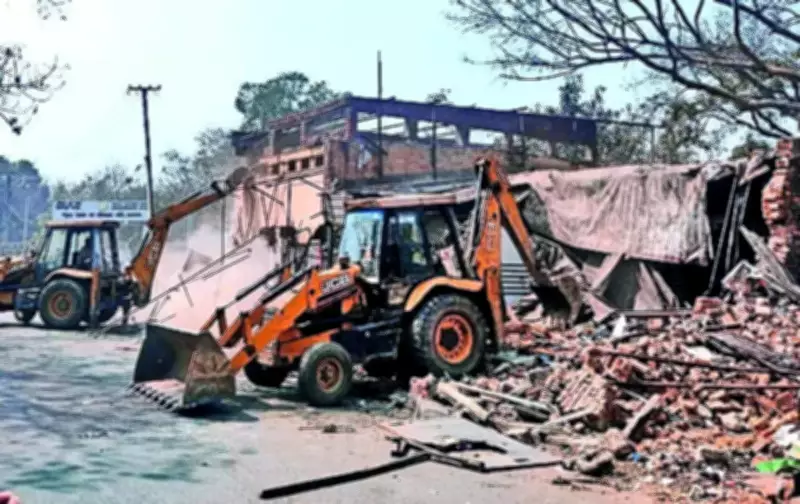
In a radical shift from conventional enforcement methods, the Sasaram Municipal Corporation has deployed earthmovers to dig pits along roadside pavements, effectively removing the space long prone to illegal encroachment by street vendors. This unprecedented move comes after extensive regulatory drives, involving expenditure running into lakhs of rupees, repeatedly failed to yield lasting results in the district headquarters of Bihar.
From Failed Measures to Physical Intervention
The campaign was initiated near the Judicial Officers’ Colony, marking a departure from previous strategies. Earlier, the district administration had attempted to deter encroachment by parking old municipal scrap vehicles at vulnerable locations, but this measure proved entirely ineffective. Officials reported that repeated warnings and appeals to vendors went unheeded, compelling authorities to adopt this more permanent physical solution.
Encroachment in-charge Kumar Anupam emphasized that the current action was taken only after multiple requests and formal notices were ignored by the vendors. "The primary objective of this drive is to ensure smooth vehicular movement and prevent recurring traffic jams in our city," he stated, defending the corporation's approach.

Background of Ineffective Enforcement
Nearly two months ago, a major enforcement operation was conducted involving over 50 police personnel and magistrates to clear encroachments from approximately 12 key locations. As part of that drive, more than 200 vegetable and fruit vendors from the old bus stand area were shifted to a designated vending zone that had been officially established.
However, this initiative failed to achieve its desired outcome. Vendors gradually returned to busy stretches such as Roza Road and areas near government residential quarters, leading to persistent traffic congestion that plagued the city. Sources revealed that during this earlier operation, no permanent (pucca) encroachments were actually removed, highlighting the temporary nature of previous solutions.
Learning from Past Experiences
The municipal corporation's current approach appears to be informed by both recent failures and historical precedents. It is learned that a few years ago, when sustained efforts by the district administration failed to curb illegal stone and sand mining, the government reportedly undertook extreme measures including blasting entry and exit points in the Kaimur hills and along the Sone river to restrict quarrying and sand extraction.
That exercise, which also involved significant public expenditure running into lakhs of rupees with tenders invited and allotted to an agency, yielded only partial results. Learning from these experiences, the civic body has now resorted to physically altering the landscape to prevent reoccupation rather than relying solely on regulatory mechanisms.
Community Reaction and Broader Implications
The move has sparked considerable debate among Sasaram residents. While some citizens support strict enforcement measures to ease chronic traffic congestion, others question whether such extreme approaches provide sustainable and inclusive solutions to the intertwined challenges of urban livelihoods and encroachment.
This development raises important questions about urban governance in rapidly developing cities:
- How can municipalities balance enforcement with livelihood protection?
- What constitutes a permanent solution to persistent encroachment issues?
- Are physical alterations to public spaces justified when regulatory measures fail?
The Sasaram Municipal Corporation's unconventional approach represents a significant escalation in the ongoing battle against urban encroachment, setting a precedent that may influence similar challenges in other Indian cities facing comparable issues of informal vending, traffic management, and public space utilization.






