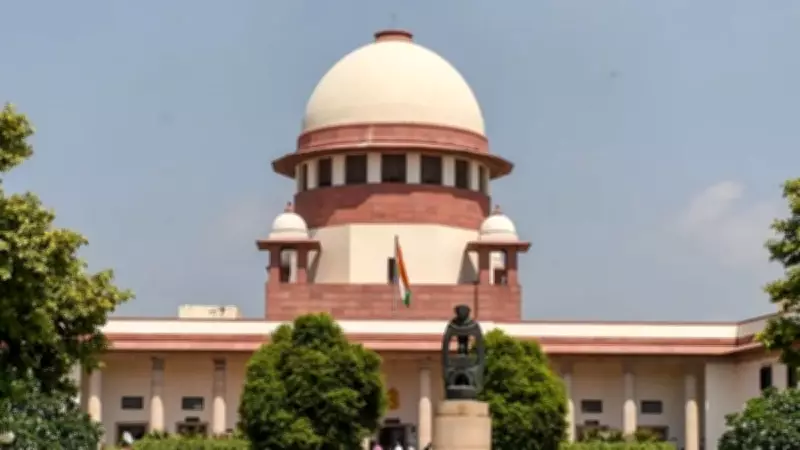
The Supreme Court of India has recalled its earlier order to blacklist the authors of a Class 8 NCERT textbook chapter on the judiciary. The decision came after the court reviewed the procedural aspects of the case and acknowledged that the authors were not given a fair opportunity to present their side before the blacklisting was ordered.
Background of the Controversy
The controversy began when the National Council of Educational Research and Training (NCERT) published a revised Class 8 social science textbook that included a chapter on the judiciary. Certain sections of the chapter were criticized for allegedly misrepresenting facts and undermining the independence of the judiciary. Following complaints, the Supreme Court intervened and directed the NCERT to remove the chapter and blacklist the authors involved.
Supreme Court's Revised Stance
However, in a recent hearing, the Supreme Court bench observed that the process of blacklisting the authors without giving them a hearing violated principles of natural justice. The court recalled its earlier order and directed that the matter be reconsidered by the appropriate authorities after providing the authors an opportunity to be heard. The bench emphasized that while it is important to maintain the integrity of educational content, the rights of individuals cannot be overlooked.

Reactions from Stakeholders
The decision has been welcomed by academicians and authors who argued that the initial order was too harsh and could set a dangerous precedent for academic freedom. The NCERT has stated that it will comply with the court's directions and initiate a fresh review of the chapter in consultation with experts. Meanwhile, the petitioners who had raised objections to the chapter expressed disappointment, stating that the chapter contained factual inaccuracies that could mislead students.
Implications for Educational Content
This case highlights the delicate balance between ensuring accurate representation in educational materials and protecting the rights of authors. The Supreme Court's recall of the blacklist order underscores the importance of due process in administrative actions. Going forward, the NCERT is expected to adopt a more transparent mechanism for reviewing and approving textbook content, involving multiple stakeholders and subject matter experts.
The final outcome of the review process will be closely watched by educators, students, and the legal community, as it may set a precedent for how controversial content in school textbooks is handled in the future.