Shelgaon Gram Panchayat Replaces Posters with Digital Screen to Tackle Clutter and Conflict
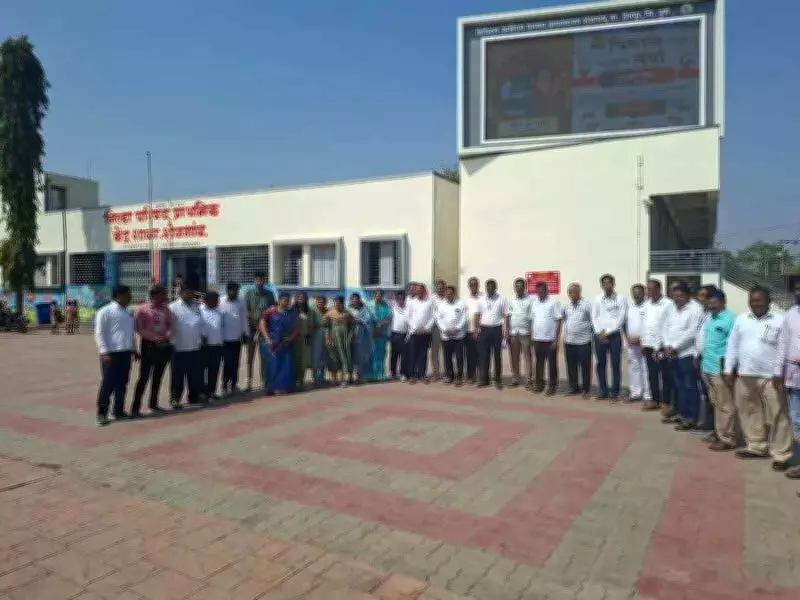
The Shelgaon gram panchayat, located in the Indapur block of Pune district, has taken a decisive step to address the proliferation of congratulatory messages, advertisements, and political banners that once marred the village landscape. In a move that combines technological innovation with environmental and social responsibility, the village has completely banned physical posters and flex boards, replacing them with a single digital display screen installed in the village square.
From Visual Pollution to Digital Solution
Fed up with the increasing number of flex boards and posters that cluttered public spaces, the gram panchayat imposed a comprehensive ban on these materials two years ago. Now, anyone wishing to publish greetings, advertisements, or political messages must utilize the digital screen. This initiative not only aims to curb the unsightly accumulation of posters but also addresses deeper social issues.
Chandrakant Jagtap, the gram panchayat officer who played a pivotal role in setting up the display board atop the gram panchayat shopping centre building, explained the rationale behind the shift. "The village has not experienced any fights or police complaints related to damaged posters during religious processions, fairs, or political events after the transition to the digital medium," he stated. This move specifically targets conflicts that often arise from the defacement of religious or political banners, a common problem in rural areas where diverse communities coexist.

Financial and Environmental Benefits
The digital screen has proven to be more than just a peacekeeping tool; it has also become a revenue generator for the village. Through display charges, the gram panchayat has earned nearly Rs 4 lakh, funds that are directed toward village schools and other community facilities. Jagtap emphasized the affordability of the service, with charges set at Rs 500 for one day and Rs 1,000 for three days, ensuring accessibility for all residents.
Urmila Singhade, the sarpanch of Shelgaon, highlighted the most noticeable change: the village's appearance. "Earlier, during major occasions, posters were everywhere and spoiled the view. Now, the surroundings look cleaner and more orderly," she said. Singhade added that the initiative has significantly reduced plastic waste, as there are no posters to dispose of after events.
Ensuring Fairness and Preventing Tampering
The digital screen is strategically mounted high, making it difficult to tamper with, and each advertisement runs for approximately 10 seconds before switching to the next. This system ensures equal visibility for all messages while maintaining peace in the community. Umesh Supute, a pomegranate farmer from Shelgaon, described the previous challenges: "Whenever there was a significant celebration—whether a birth anniversary, death anniversary, or other major event—members of different political parties would put up their posters, and rivals would either paste over them or tear them down. In rural areas where people of various castes and religions live together, even minor issues can escalate quickly."
Model for Replication and Political Endorsement
The success of the Shelgaon model has attracted attention beyond the village. Political leaders, including Supriya Sule and Dattatray Bharane, have paid to advertise on the screen during election campaigns. Recently, Gajanan Patil, CEO of Pune Zilla Parishad, suggested examining whether this model could be replicated in other villages. Representatives from gram panchayats in Daund, Mulshi, and Beed have already visited Shelgaon to study the implementation.
Jagtap elaborated on the broader implications: "It supports revenue generation, reduces visual clutter, and minimises waste." The annual village fair and the five-day festival at the local deity's temple in November, which attract lakhs of devotees, previously saw the village square and road to the temple completely covered with posters. Now, these events proceed without the visual chaos, thanks to the digital alternative.

Community Involvement and Future Prospects
The transition to the digital screen was not imposed top-down but involved extensive community engagement. After discussions within the gram panchayat, Jagtap conducted two to three village meetings to explain the proposal and its benefits, leading to approval and implementation. This participatory approach has fostered local ownership and support for the initiative.
As Shelgaon continues to benefit from its innovative solution, it sets a precedent for other rural areas grappling with similar issues of advertisement clutter and social discord. The digital screen stands as a testament to how technology can be harnessed to enhance community well-being, environmental sustainability, and economic development in villages across India.