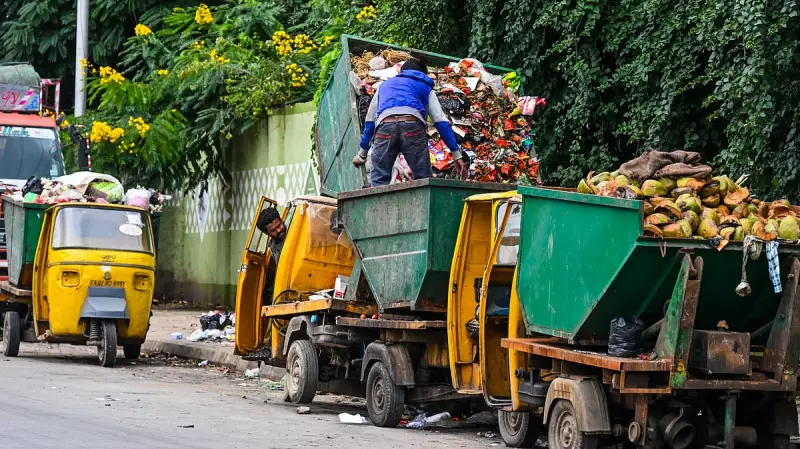
In a significant move to streamline solid waste management, the Bengaluru Solid Waste Management Limited (BSWML) has officially authorised a single private firm to handle the collection of bulk waste across the city's North and East zones. This decision, aimed at improving efficiency and accountability, was finalised on 21 December 2025.
Due Diligence and NGT Directives Drive the Decision
The empanelment of the private company was not taken lightly. According to BSWML officials, the selection followed a rigorous process of due diligence. More importantly, this step aligns with specific directions issued by the National Green Tribunal (NGT). The tribunal has been pushing for stricter implementation of environmental principles, with a key focus on the "polluter pays" principle. This principle mandates that those who generate waste are responsible for covering the costs of its management.
What This Means for Bengaluru
By centralising bulk waste collection for these two large zones under one authorised entity, BSWML hopes to achieve several objectives. The move is expected to bring in more systematic operations, ensure better compliance with waste handling rules, and create a clear chain of responsibility. Bulk waste, which includes discarded furniture, construction debris, and large garden waste, has long been a challenge for the city's infrastructure, often leading to illegal dumping.

The authorisation means that bulk waste generators in Bengaluru North and East, including large residential complexes, commercial establishments, and institutions, will now have to route their waste through this empanelled firm. This system is designed to ensure that waste is processed or disposed of at designated facilities, thereby reducing environmental harm.
The Path Forward for Waste Management
This initiative marks a concrete step by Bengaluru's civic authorities to institutionalise waste management practices in line with national environmental guidelines. The success of this model in the North and East zones could potentially pave the way for similar structured arrangements in other parts of the city. The focus remains on holding waste generators accountable and moving towards a more sustainable and cleaner urban ecosystem.
The report of this authorisation was confirmed by Naveen Menezes on the aforementioned date, highlighting the city's ongoing efforts to tackle its persistent waste management challenges through structured policy implementation.