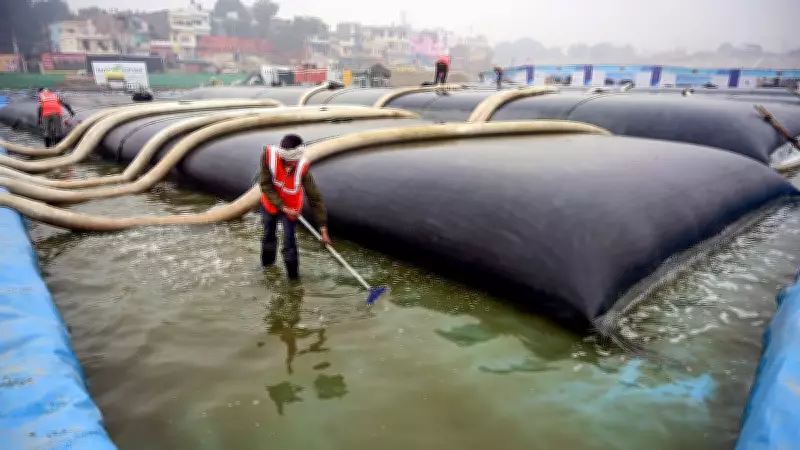
Experts Highlight Need for Human Intervention in STP Maintenance
Despite the legal prohibition of manual scavenging in India, experts have clarified that maintenance activities at Sewage Treatment Plants (STPs) are distinct from manual scavenging and frequently necessitate workers entering treatment units for repairs and inspections. This distinction, they say, is crucial for understanding ongoing safety risks and regulatory gaps.
Distinction Between Manual Scavenging and STP Work
Manual scavenging—the cleaning of human waste from dry latrines and sewers—is banned under the Prohibition of Employment as Manual Scavengers and their Rehabilitation Act, 2013. However, STP maintenance involves tasks such as desludging tanks, repairing mechanical parts, and inspecting treatment processes. According to experts, these activities are not classified as manual scavenging but still pose significant health and safety hazards to workers.
Safety Concerns and Regulatory Gaps
Workers entering STP units are exposed to toxic gases, pathogens, and confined spaces. Despite existing safety protocols, accidents and fatalities occur regularly. Experts argue that the current legal framework does not adequately address the unique risks of STP maintenance, leaving workers vulnerable. The Karnataka State Pollution Control Board has issued guidelines for STP operations, but enforcement remains weak.

Call for Better Training and Equipment
To mitigate risks, experts recommend mandatory training for workers, provision of personal protective equipment (PPE), and strict adherence to safety procedures. They also emphasize the need for regular monitoring and audits of STPs to ensure compliance. A senior official from the Bangalore Water Supply and Sewerage Board (BWSSB) stated, "We are working to mechanize more processes, but human intervention cannot be eliminated entirely. Safety is our priority."
The issue gains urgency as Bengaluru expands its sewage treatment capacity to meet growing urban demand. With over 1,400 million liters per day of sewage treated across the city, ensuring worker safety while maintaining operational efficiency is a critical challenge.