Telangana CM Revanth Reddy Mandates Facial Recognition for Welfare Scheme Beneficiaries
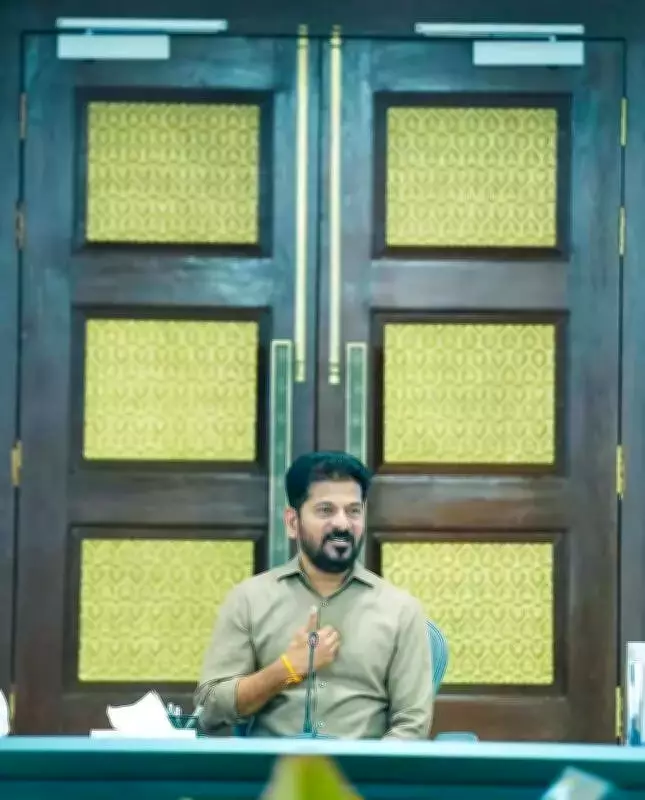
In a significant move to enhance governance and ensure direct benefit delivery, Telangana Chief Minister A Revanth Reddy has issued a directive to all district collectors. During a comprehensive review meeting at the secretariat on Tuesday, the CM instructed officials to implement facial recognition technology for every beneficiary under state welfare schemes.
99-Day 'Praja Palana–Pragati Pranalika' Programme Launched
The directive comes as part of the ambitious 99-day 'Praja Palana–Pragati Pranalika' programme, which will be rolled out in five distinct phases from March 6 to June 12. The planning department has been designated as the nodal agency for this extensive outreach initiative.
At the nearly six-hour meeting attended by ministers and district collectors, CM Revanth Reddy emphasized that the success of this action plan rests squarely on the shoulders of district collectors. He made it clear that collectors must function as the "eyes and ears of the government," serving as a crucial bridge between the administration and the people.

Strict Field Engagement Requirements
The Chief Minister issued a stern warning that every collector must spend at least 10 days each month in the field, directly engaging with communities. "You cannot become an IAS officer by chance. That job has meaning only when you do things that are useful to the people," Revanth Reddy stated during the meeting.
He further cautioned that collectors who fail to visit field levels will never truly understand people's problems. The government will closely monitor performance during the 99-day programme and reflect assessments in annual service reports.
Five-Phase Implementation Schedule
The programme will follow this structured timeline:
- Gram sabhas on April 2
- Mandal-level meetings on April 16
- Constituency-level meetings on May 2
- District-level meetings on May 22
- Telangana Formation Day celebrations on June 2
Ten Key Focus Areas
The outreach programme will concentrate on ten critical themes:
- Environmental cleanliness
- Clearance of pending bills
- Health initiatives
- Road safety (arrive-alive)
- Welfare scheme implementation
- Child safety measures
- Drug control efforts
- Farmers' welfare and agriculture
- Education, youth, and sports development
- Women's empowerment and environmental protection
Comprehensive Implementation Strategy
Preparatory meetings under ministerial supervision will be conducted in all combined districts on March 6. The programme will actively involve public representatives including sarpanches, ward members, chairpersons, corporators, and mayors as implementation partners.
A dedicated one-day training session will be organized in district centers, with printed materials distributed to all stakeholders. Each district will have an IAS officer appointed as nodal officer to oversee programme execution.
Technology Integration and Specific Targets
District collectors have been instructed to utilize a dedicated mobile application for monitoring implementation progress and resolving Bhu Bharati grievances. Additional specific targets include:
- Expediting land acquisition for major infrastructure projects including Regional Ring Road, highways, and airports
- Recovering Rs 3,900 crore worth of rice from millers through legal cases
- Conducting gram and ward sabhas to educate citizens about welfare benefits and government expenditures
The Chief Minister concluded by announcing that another review meeting will be held in June to assess collector performance, with recognition for those demonstrating exceptional work during the 99-day programme.