

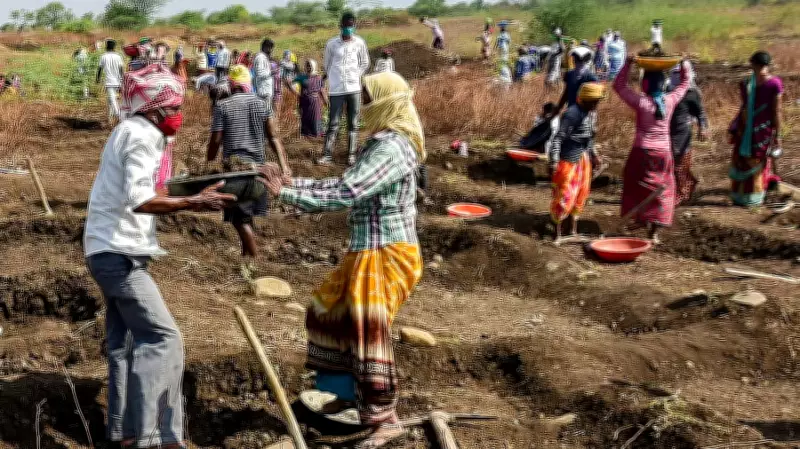
The new VB-G RAM G Act is set to come into force from July 1, replacing the existing Mahatma Gandhi National Rural Employment Guarantee Act (MGNREGA). This landmark legislation promises significant enhancements in rural employment guarantees, aiming to provide more robust support to rural households across India.
Key Highlights of the VB-G RAM G Act
The most notable provision of the VB-G RAM G Act is the extension of guaranteed wage employment to 125 days per financial year for rural households, up from the previous 100 days under MGNREGA. This 25-day increase is expected to provide additional income security to millions of rural families, particularly during lean agricultural seasons.
Expanded Work Categories
The new Act broadens the scope of permissible works to include more diverse livelihood-related activities. Alongside traditional water conservation, land development, and rural connectivity projects, the Act now incorporates works related to renewable energy, rural sanitation, and digital infrastructure. This expansion aims to create more sustainable employment opportunities while addressing contemporary rural needs.

Digital Payment and Transparency
A major focus of the VB-G RAM G Act is the mandatory use of digital payment systems for wage disbursement. All payments must be made directly into the bank accounts of beneficiaries through Aadhaar-based authentication. This measure is intended to reduce leakages, ensure timely payments, and enhance transparency in the implementation process.
Grievance Redressal Mechanism
The Act introduces a strengthened grievance redressal mechanism. Each district will have a dedicated ombudsman to address complaints related to wage delays, work denial, or corruption. Additionally, a centralized online portal will allow workers to track their applications and payments in real time.
Penalties for Non-Compliance
To enforce accountability, the VB-G RAM G Act imposes stricter penalties on officials who fail to provide employment within 15 days of application. In such cases, workers will be entitled to unemployment allowance, which will be directly deducted from the salaries of responsible officers. Repeat offenders may face suspension or other disciplinary actions.
Implementation Timeline and Phasing
The Act will be implemented in a phased manner. From July 1, it will first apply to 250 identified districts with high poverty rates. By April 2027, it will be rolled out nationwide. The government has allocated an additional budget of Rs 50,000 crore for the current fiscal year to support the increased wage days and new works.
Impact on Rural Economy
Experts believe that the VB-G RAM G Act could significantly boost rural incomes and reduce distress migration. The 125-day guarantee ensures that a rural household can earn a minimum of Rs 1,50,000 annually at current wage rates, which is expected to improve living standards and stimulate local economies.
However, some critics have raised concerns about the financial burden on state governments, as they are required to share 40% of the wage costs. The central government has assured that additional fiscal support will be provided to states facing resource constraints.
Comparison with MGNREGA
While MGNREGA provided 100 days of work, the VB-G RAM G Act increases it to 125 days. The new Act also introduces a more comprehensive list of works, mandatory digital payments, and a robust grievance system. Unlike its predecessor, the VB-G RAM G Act includes provisions for skill development and certification, enabling workers to transition to better-paying jobs.
The Act also mandates social audits for all projects, ensuring community oversight. Women's participation is encouraged through reservation of at least 33% of workdays for women, with a target to increase this to 50% over the next three years.
The VB-G RAM G Act represents a significant step forward in India's rural employment policy, aiming to provide not just work, but quality work with dignity and transparency. As the implementation begins on July 1, all eyes will be on how effectively it transforms the rural employment landscape.






