

The Quiet Revolution in Delhi's Neighborhoods
For generations, Resident Welfare Associations in Delhi were perceived as the exclusive domain of retired men with ample time to oversee neighborhood affairs. These hyper-local organizations, which subtly influence daily community life, were frequently dismissed as "toothless bodies" primarily handling routine administrative tasks. However, across the capital, this outdated perception is undergoing a dramatic transformation.
A New Wave of Leadership Emerges
An unmistakable shift is occurring as women, many balancing full-time professional careers, are stepping into these traditional bastions of local governance. They are infusing RWAs with fresh perspectives, creativity, and a community-focused approach. This movement is fundamentally reshaping RWAs from rigid, bureaucratic spaces into dynamic, people-first platforms that actively address residents' needs.
Overcoming Stereotypes and Building Trust
Neha Puri, president of the Green Park Extension RWA, recalls the challenging journey she embarked upon nearly a decade ago. "Despite serving as general secretary earlier, people labelled our team as a ‘kitty group' five years ago when many women joined as RWA members," she explains. "People doubted our ability to make any difference and warned that the work would disturb our professional lives and household responsibilities."

Rather than being discouraged, these remarks motivated Puri to demonstrate her capabilities through persistent civic engagement. She began regularly visiting municipal offices, developing relationships with officials from junior staff to senior officers. Through systematic follow-ups and intensified monitoring, she streamlined complaint resolution and advanced long-pending projects with elected representatives.
"Gradually, that helped streamline several civic issues," says Puri, who transitioned from seventeen years in the corporate sector to hypnotherapy. The initial skepticism has been replaced by tangible improvements and renewed community trust in the RWA's effectiveness.
Creating Sustainable Neighborhood Models
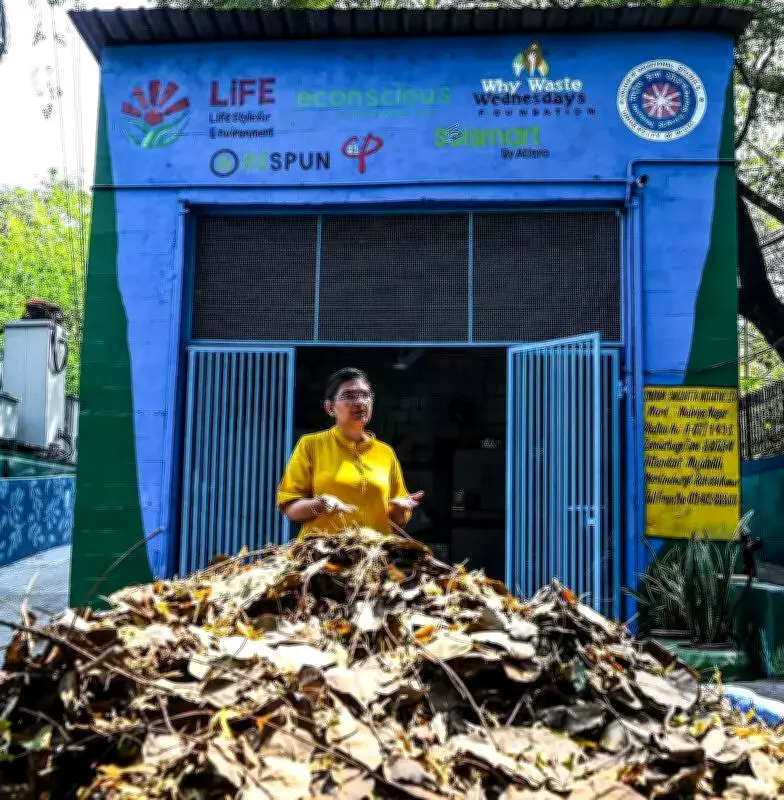
In south Delhi's Navjiwan Vihar, Dr. Ruby Makhija has spent nine years developing a waste management system that civic authorities now cite as exemplary. As an ophthalmologist and RWA general secretary, she has implemented 100% waste segregation at source, complemented by composting units, dry waste collection centers, and comprehensive reduce-reuse-recycle hubs.
"I might have taken up the RWA role with excitement, but it was definitely not an easy journey," Makhija acknowledges. Her initial efforts involved checking on isolated senior citizens, organizing health camps through professional networks, and gradually earning residents' confidence. During the COVID-19 pandemic, she facilitated one of Delhi's earliest vaccination camps, benefiting approximately 5,000 individuals.
"These efforts encouraged people to take my work seriously, including those who initially dismissed us," she observes, highlighting how consistent community service builds credibility.
Professional Skills Enhancing Civic Solutions
Anantmala Potdar, a lawyer serving as president of Saket's D Block RWA, leverages her legal expertise and district committee experience to address neighborhood challenges. "Disparities exist everywhere, but thankfully people are aware and open-minded," she notes. Rather than focusing on criticism, Potdar prioritizes practical solutions, whether addressing parking encroachments or managing educational initiatives for underprivileged children.
In Safdarjung Enclave's A1 Block, interior architect Payal Kapoor demonstrates how technological proficiency and organizational skills enhance RWA effectiveness. As president, she gained community recognition during COVID-19 lockdowns by single-handedly revitalizing the area's only park, inspiring collective maintenance efforts.
"It is not rocket science—your goodwill, organisational skills and coordination skills eventually help resolve issues," Kapoor emphasizes, whose contributions were formally acknowledged by former parliamentarian Meenakshi Lekhi.

The Broader Impact on Urban Governance
This transformation extends beyond individual neighborhoods, signaling a broader evolution in Delhi's urban governance landscape. Women leaders are introducing:
- Enhanced responsiveness to resident concerns
- Innovative sustainability initiatives
- Professional management approaches
- Greater community participation mechanisms
- Improved collaboration with municipal authorities
The traditional image of RWAs as male-dominated, bureaucratic entities is being systematically dismantled. Through determination, professional competence, and community-centered vision, women are redefining civic engagement in Delhi's neighborhoods, creating more inclusive and effective local governance structures that better serve diverse urban populations.





