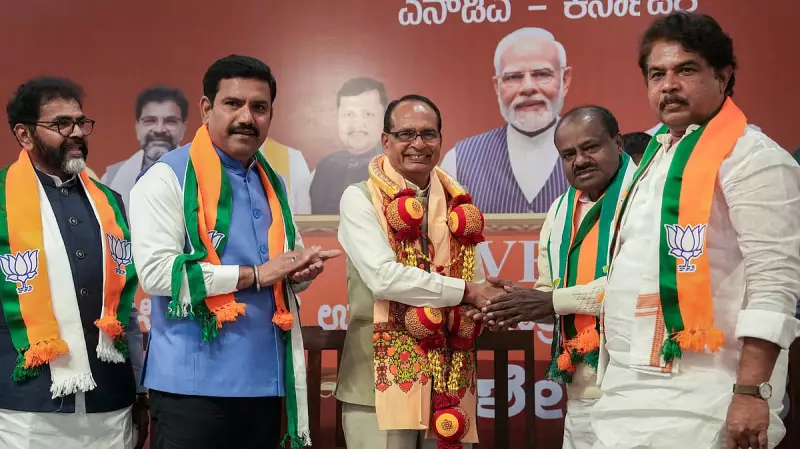
In a significant revelation concerning India's flagship rural employment scheme, former Madhya Pradesh Chief Minister Shivraj Singh Chouhan has highlighted alarming findings from recent social audits. According to Chouhan, these audits have uncovered a staggering 1.33 lakh flaws in the implementation of the Mahatma Gandhi National Rural Employment Guarantee Act (MGNREGA).
Citing CAG Report, Chouhan Exposes Recovery Shortfalls
Chouhan referenced a comprehensive report by the Comptroller and Auditor General (CAG) of India to substantiate his claims. The report details widespread irregularities and inefficiencies within the MGNREGA framework, pointing to systemic issues that have plagued the scheme designed to provide livelihood security in rural areas.
Massive Discrepancy in Fund Recovery
A particularly concerning aspect highlighted by Chouhan is the stark discrepancy in financial recoveries. The CAG report indicates that Lokpal authorities had recommended the recovery of Rs 24.12 crore in misappropriated or misused funds. However, the actual amount recovered stands at a mere Rs 2.47 crore, representing only about 10% of the recommended sum.

This shortfall raises serious questions about the effectiveness of accountability mechanisms and enforcement procedures within the MGNREGA administration. The gap between recommended and actual recoveries suggests potential challenges in tracking down culprits, legal hurdles, or administrative lapses.
Implications for Rural Development and Governance
The revelation of 1.33 lakh flaws underscores persistent governance challenges in one of the world's largest public works programs. MGNREGA, which guarantees 100 days of wage employment per year to rural households, is critical for poverty alleviation and rural infrastructure development.
These findings come at a time when the scheme's efficacy and transparency are under increased scrutiny. The social audits, which involve community participation in monitoring implementation, were intended to enhance accountability but appear to have exposed significant vulnerabilities instead.
Chouhan's statements are likely to fuel further debate on:
- The need for stronger audit mechanisms and follow-up actions
- Improved transparency in fund utilization
- Enhanced grievance redressal systems for beneficiaries
- Better coordination between central and state authorities
As the government continues to allocate substantial resources to MGNREGA annually, addressing these flaws becomes imperative for ensuring that funds reach intended beneficiaries and contribute meaningfully to rural development goals.