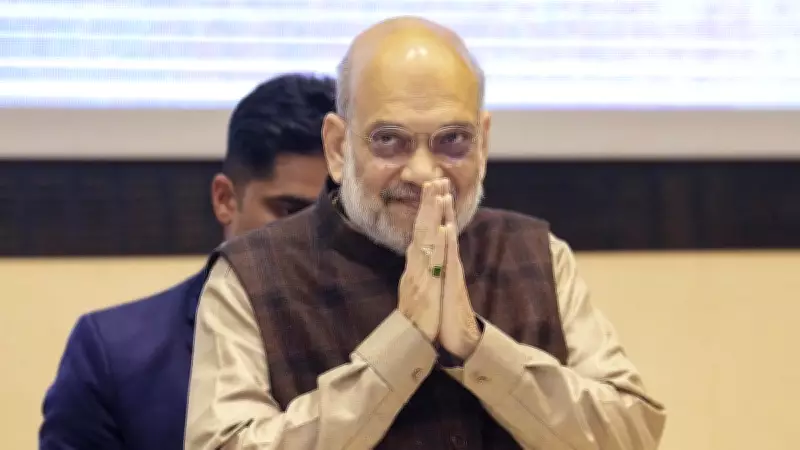
Amit Shah Launches Bharat Taxi Platform in Delhi-NCR and Gujarat
Union Minister Amit Shah has officially inaugurated the Bharat Taxi platform, marking its debut in the Delhi-National Capital Region (NCR) and Gujarat. This launch represents a significant step in the government's efforts to enhance transportation services across India, with a strategic plan to expand the platform nationwide over the next three years.
Driver Ownership as a Key Feature
During the launch event, Amit Shah highlighted a unique aspect of the Bharat Taxi platform: it provides ownership opportunities to drivers. This feature distinguishes it from other ride-hailing services, which typically operate on a commission-based model without offering ownership stakes to their drivers. Shah emphasised that this approach aims to empower drivers economically and foster a sense of partnership within the transportation ecosystem.
The initiative is expected to create new job opportunities and improve the livelihoods of drivers by allowing them to build equity in the platform. This move aligns with broader government schemes focused on promoting entrepreneurship and self-reliance among citizens.

Expansion Plans and National Rollout
The Bharat Taxi platform is set to undergo a phased expansion, with the initial launch in Delhi-NCR and Gujarat serving as a pilot phase. Over the next three years, the platform will be rolled out across all states and union territories in India, aiming to provide a reliable and affordable transportation option for millions of commuters.
This expansion is part of a larger vision to modernize India's public transport infrastructure and integrate digital solutions into everyday mobility. The platform will leverage technology to offer features such as real-time booking, secure payments, and enhanced safety measures for both drivers and passengers.
Impact on the Ride-Hailing Industry
The introduction of Bharat Taxi is poised to shake up the competitive landscape of India's ride-hailing industry, which is currently dominated by private companies. By offering driver ownership, the platform addresses long-standing concerns about the financial stability and rights of drivers in the gig economy.
Experts predict that this model could set a new standard for the industry, encouraging other players to adopt similar practices. It also reflects the government's proactive role in regulating and innovating within the tech-driven transportation sector.
The launch event was attended by key stakeholders, including government officials, industry representatives, and drivers, who expressed optimism about the platform's potential to transform urban mobility in India.