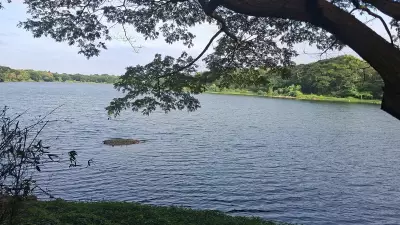
Borjuli wetland recognised for wild rice conservation
Borjuli wetland in Assam, known for harbouring a disease and pest-resistant variety of wild rice, has been notified as a Biodiversity Heritage Site. This marks a major milestone in the conservation of India's wild rice genetic resources, according to the agriculture ministry.
Project aims to protect wild rice in natural habitat
The agriculture ministry stated that the project titled 'In-situ Conservation and Management of Wild Rice (Oryza rufipogon)' aims to protect wild rice in its natural habitat. "The recognition is an important step towards conserving India's rich wild rice diversity and promoting climate-resilient agriculture. The project has been under implementation since 2022. It is being carried out by the ICAR-National Bureau of Plant Genetic Resources, New Delhi, in collaboration with the Assam State Biodiversity Board," the ministry said.
Wild rice species offers valuable traits
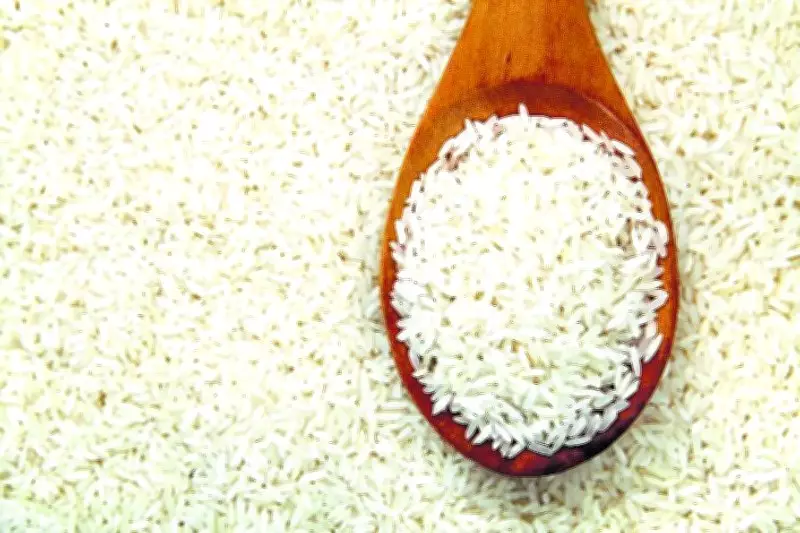
The wild rice species, Oryza rufipogon, is resistant to pests and diseases, and can tolerate flooding and saline conditions, making it a valuable genetic resource for developing climate-resilient crop varieties. The project is being funded by the National Rainfed Area Authority (NRAA).

NRAA chief calls for replication
NRAA Chief Executive Officer Chandra Shekhar Kumar said wild rice species are an invaluable source of genes for developing climate-resilient, high-yielding and nutritionally superior rice varieties. "There is a need to replicate similar conservation initiatives for other crop wild relatives across the country to improve the resilience and sustainability of Indian agriculture and strengthen long-term food security," he noted. "The recognition of the Borjuli site is expected to strengthen efforts to preserve India's native rice diversity while supporting research into more resilient crop varieties," he added.
Oryza rufipogon: progenitor of cultivated rice
Oryza rufipogon, the progenitor of present-day cultivated rice, O. sativa, is one of the most studied wild species of rice. It is a perennial plant commonly found in marsh or aquatic habitats of eastern and southern Asia. This variety is photosensitive in nature and flowers during short days in November and December. The seeds have a tendency to shatter as soon as they mature. It is tolerant of flooding and acidic soils.