Bihar's Innovative Solution: Plastic Waste Transformed into Durable Rural Roads
In a groundbreaking environmental initiative, the state of Bihar is converting single-use plastic waste collected from rural households into a valuable resource for constructing stronger village roads. This innovative approach addresses the persistent problem of plastic pollution while simultaneously enhancing rural infrastructure across the state.
Implementation Under Lohia Swachh Bihar Abhiyan
The transformative program is being implemented under the rural development department's comprehensive Lohia Swachh Bihar Abhiyan (LSBA), which follows the successful rollout of systematic door-to-door garbage collection services in rural areas. This structured waste management system has created the foundation for effective plastic collection and repurposing.
Comprehensive Plastic Waste Processing Network
State officials have revealed that the plastic waste gathered from households is being systematically channeled to 171 specialized plastic waste management units established strategically across Bihar. After thorough segregation and processing at these facilities, the prepared material is supplied directly to the rural works department for incorporation into road construction projects.

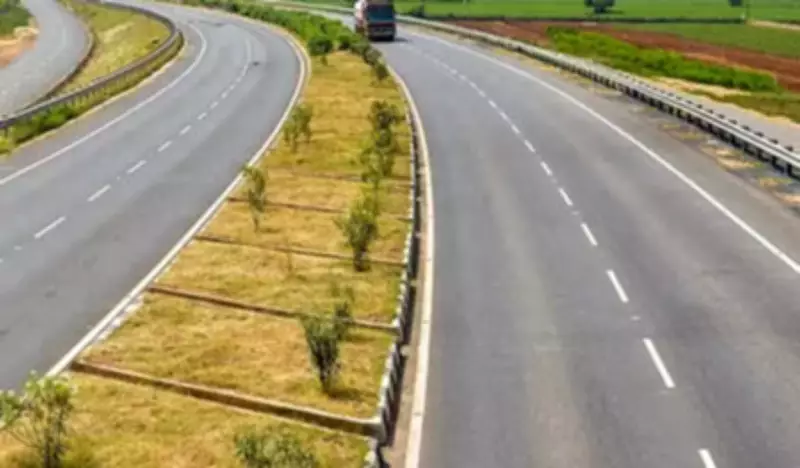
The technical process involves blending shredded plastic with hot bitumen to create plastic-mixed roads, a method that has gained recognition in various parts of India for improving road durability while simultaneously reducing environmental plastic litter.
Significant Progress Across Multiple Districts
According to detailed district-wise data shared by the involved departments, Bihar has already constructed 10.5 kilometers of roads using approximately 8 metric tonnes of processed plastic waste across three pioneering districts: Purnia, Khagaria, and Aurangabad.
In Khagaria district, a substantial 1-kilometer road stretch has been successfully built utilizing around 1 metric tonne of plastic material. Purnia district has achieved even more impressive results, with slightly over 4 kilometers of road laid using more than 3 metric tonnes of processed plastic. Aurangabad district accounts for 5 kilometers of plastic-mixed roads, consuming approximately 3.5 metric tonnes of plastic waste in the construction process.
Technical Specifications and Performance Benefits
Ratnish Verma, the state advisor for Solid and Liquid Waste Management under LSBA, provided detailed technical insights into the process. He explained that the method utilizes shredded low-density and high-density plastic along with PET material, which is mixed with hot tar at a carefully calibrated ratio of approximately 7%.
Verma emphasized that the resulting road surface demonstrates superior performance in waterlogged conditions and shows significantly reduced susceptibility to damage caused by stagnant water. This is particularly important as standing water represents a common factor behind premature deterioration of rural roads during and after the monsoon season.
Government Commitment to Sustainable Development
Rural development and transport minister Shravan Kumar articulated the broader vision behind the program, stating that it is fundamentally designed to support both environmental protection and sustainable infrastructure development. He highlighted the dual focus on strengthening roads in vulnerable waterlogged areas while simultaneously reducing plastic pollution through improved collection and disposal systems for single-use plastic materials.
Future Expansion Plans
State officials have confirmed ambitious plans to expand this successful model to additional districts in the coming period. The expansion strategy involves scaling up both plastic processing capacity and the systematic utilization of processed plastic in rural road construction projects across Bihar.
This innovative approach represents a significant step forward in waste management and rural development, creating a circular economy model that transforms environmental challenges into infrastructure opportunities while addressing critical rural connectivity needs.