New Delhi: In a significant move to enhance the financial independence and self-reliance of Indian cities, the Union Budget presented on Sunday unveiled a comprehensive package of measures designed to bolster municipal finances. The initiatives focus on expanding market-based funding avenues, granting greater revenue autonomy to urban local bodies, and diminishing their reliance on state and central government transfers.
Key Budget Proposals for Urban Development
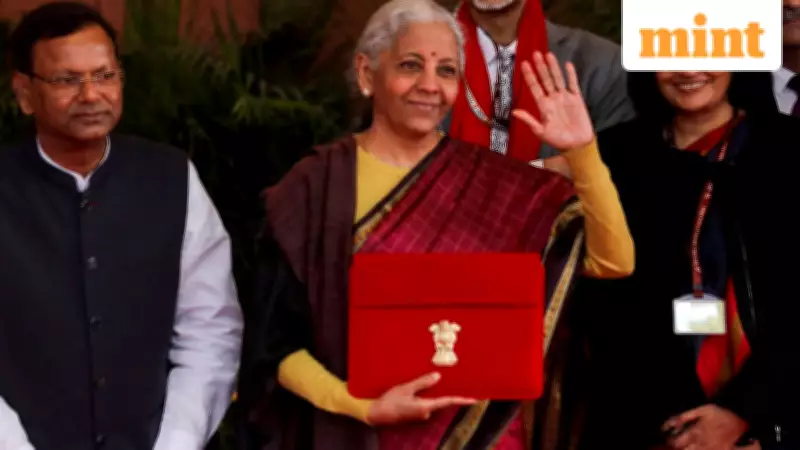
The budget, tabled by Finance Minister Nirmala Sitharaman in the Lok Sabha, includes a landmark proposal for a ₹100 crore single-bond issuance. This instrument aims to mobilize long-term capital specifically for urban infrastructure projects, providing a stable funding source for critical developments.
Additionally, the budget continues the allocation of ₹200 crore in incentives under the AMRUT (Atal Mission for Rejuvenation and Urban Transformation) scheme. These funds are targeted at supporting smaller and medium-sized towns by enhancing their capacity to raise resources, upgrade essential infrastructure, and access capital markets effectively.

Building on Existing Success Stories
The announcements are part of a broader strategy to deepen municipal finance ecosystems and encourage cities to utilize market-linked instruments such as municipal bonds and green bonds for financing long-term urban investments. Several cities have already pioneered this approach, with Surat, Indore, Ahmedabad, Vadodara, Ghaziabad, and Pimpri-Chinchwad successfully raising funds through municipal green bonds.
The government views these examples as replicable templates for a wider array of urban local bodies. The budget signals a clear intent to scale up such efforts by improving the financial preparedness of municipalities and creating structured incentives for them to tap into bond markets.
Expert Insights on Funding Benefits
Anil Gupta, Senior Vice President and Co-Group Head of Financial Sector Ratings at ICRA, highlighted the potential impact of these incentives. He noted that the measures could significantly improve the funding costs for municipalities, which have historically faced higher costs compared to state government bonds.
"Depending on the tenor of the bonds, the annual benefit can vary. For instance, a 10-year bond could reduce funding costs by approximately 100 basis points," Gupta explained. However, he added that the full impact will only be understood once key details of the announcement are finalized and implemented.
Addressing Urban Challenges Through Financial Autonomy
As previously reported, the Centre has been developing a blueprint to grant urban local bodies greater autonomy over finances and service delivery. This comes at a crucial time when Indian cities are grappling with ageing infrastructure, weak service delivery mechanisms, and rapid population growth.
Officials familiar with the process emphasized that the approach focuses on strengthening municipalities' own-revenue sources, particularly property tax collections and user charges, which remain underutilized across most urban centers.
Expanding Municipal Roles and Revenue Streams
The budget also outlines steps to broaden the functional scope of municipalities by permitting them to offer services such as project consultancy, capacity-building, and implementation support. This expansion is expected to create additional non-tax revenue streams, further enhancing their financial sustainability.
Another innovative element of the plan involves peer-to-peer mentoring programs. Under this initiative, financially weaker municipal bodies will be paired with better-performing municipal corporations. These partnerships will guide the adoption of proven practices in governance, accounting, revenue mobilization, and project execution, fostering a culture of continuous improvement and knowledge sharing.
With inputs from Subhanan Shaikh, these comprehensive measures represent a forward-looking approach to urban governance, aiming to build resilient, self-sufficient cities capable of meeting the demands of rapid urbanization and sustainable development.