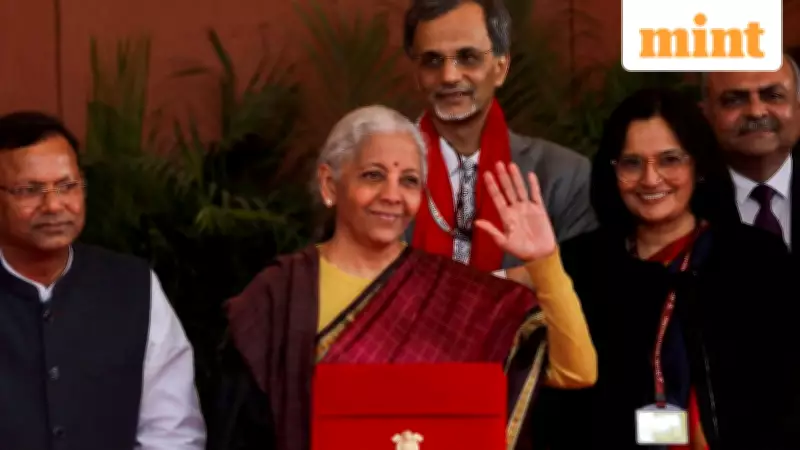
In a significant move aimed at nurturing digital creativity and entrepreneurship among India's youth, Finance Minister Nirmala Sitharaman has unveiled an ambitious proposal during her Budget 2026 speech. The government plans to establish content creation laboratories in 15,000 secondary schools across the nation, marking a transformative step in educational infrastructure.
Empowering Aspiring YouTubers and Digital Creators
The announcement specifically targets the growing community of aspiring YouTubers, vloggers, and digital content creators. These state-of-the-art labs will provide students with access to professional-grade equipment, software, and training resources necessary for producing high-quality video content, podcasts, and multimedia projects.
Supporting the Indian Institute of Creative Technologies
These content laboratories will operate under the guidance and framework of the Indian Institute of Creative Technologies, creating a structured ecosystem for creative education. The initiative represents a strategic partnership between educational institutions and creative technology organizations to bridge the gap between traditional learning and digital skill development.

The timing of this announcement coincides with India's rapidly expanding digital content market, where platforms like YouTube have become significant career avenues for millions. By integrating content creation facilities into secondary education, the government aims to institutionalize digital literacy and creative expression from an early age.
Budgetary Allocation and Implementation Strategy
While specific financial details will be outlined in subsequent budget documents, the proposal indicates substantial government investment in digital infrastructure within the education sector. The 15,000 labs will be distributed across urban and rural secondary schools, ensuring equitable access to creative technology resources throughout the country.
This initiative aligns with broader national goals of fostering innovation and self-employment opportunities, particularly in fields that leverage India's demographic dividend and technological advancement. The content labs are expected to serve multiple purposes:
- Providing hands-on experience with video editing, sound engineering, and graphic design tools
- Developing curriculum-integrated projects that combine academic subjects with creative expression
- Creating incubation spaces for student-led digital entrepreneurship ventures
- Establishing mentorship networks connecting students with established creators and industry professionals
Long-term Impact on Creative Economy
Educational experts anticipate that this infrastructure development will have far-reaching consequences for India's creative economy. By normalizing content creation as part of secondary education, the initiative could potentially:
- Democratize access to production technology that has traditionally been cost-prohibitive
- Create a pipeline of skilled professionals for India's growing media and entertainment industries
- Encourage regional language content creation, preserving cultural diversity through digital mediums
- Position India as a global hub for creative technology education and innovation
The Budget 2026 proposal represents a forward-looking approach to education policy, recognizing the evolving nature of careers in the digital age. As details emerge about implementation timelines, equipment specifications, and training protocols, this initiative is poised to reshape how creative skills are cultivated within India's formal education system.