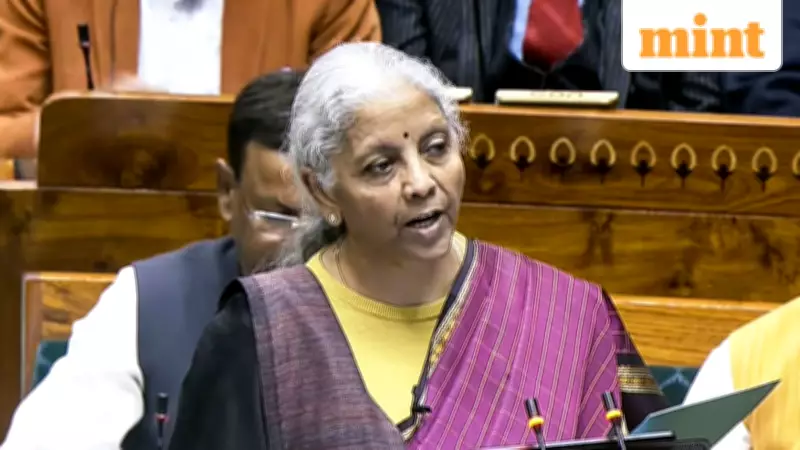
In a landmark announcement during the Union Budget 2026 presentation, Finance Minister Nirmala Sitharaman unveiled ambitious infrastructure and strategic mineral initiatives aimed at propelling India's economic trajectory. Delivering her ninth consecutive budget speech in Parliament, Sitharaman outlined a reform-led roadmap anchored in core duties, focusing on sustainable development and reducing external dependencies amidst global uncertainties.
Seven High-Speed Rail Corridors to Connect Key Cities
The Finance Minister proposed the development of seven high-speed rail corridors designed as growth connectors between major urban centers. This initiative is part of a broader strategy to promote environmentally sustainable passenger transport systems and enhance regional connectivity.
Detailed List of Proposed Corridors
In her budget speech, Sitharaman specified the following routes:

- Mumbai to Pune
- Pune to Hyderabad
- Hyderabad to Bengaluru
- Hyderabad to Chennai
- Chennai to Bengaluru
- Delhi to Varanasi
- Varanasi to Siliguri
These corridors are expected to significantly reduce travel times, boost tourism, and facilitate smoother movement of goods and services, thereby stimulating economic activity across these regions.
Dedicated Rare Earth Corridors in Four States
In a parallel strategic move, the Finance Minister announced plans to establish dedicated rare earth corridors in the mineral-rich states of Tamil Nadu, Kerala, Odisha, and Andhra Pradesh. This initiative builds upon the scheme for rare earth permanent magnets launched in November 2025.
Objectives of the Rare Earth Initiative
The proposed corridors aim to create integrated hubs for mining, processing, research, and manufacturing of rare earth elements. Rare earths, comprising 17 critical elements, are essential components in a wide array of modern technologies, including consumer electronics like smartphones, electric vehicles, and advanced defense systems such as fighter jets.
Currently, China dominates the global rare earth industry, accounting for approximately 60% of mine production and nearly 90% of refined production and magnet output. India's initiative seeks to enhance local production capabilities, thereby reducing dependency on imports and strengthening national security and technological self-reliance.
Key Takeaways from the Budget Announcements
- Infrastructure Boost: The seven high-speed rail corridors are poised to improve connectivity and foster economic growth by linking major economic hubs.
- Strategic Mineral Independence: The rare earth corridors in Tamil Nadu, Kerala, Odisha, and Andhra Pradesh aim to bolster domestic production and processing of critical minerals.
- Reduced Import Dependency: By developing local rare earth supply chains, India aims to decrease its reliance on China for these crucial elements.
- Sustainable Development: The emphasis on high-speed rail aligns with goals for eco-friendly transportation, supporting India's environmental commitments.
Presented against a backdrop of global economic volatility, these proposals underscore the government's focus on long-term growth drivers through infrastructure modernization and strategic resource management. The budget reflects a concerted effort to balance domestic development needs with aspirations for greater global competitiveness in key sectors.