Union Budget 2026: Key Announcements and Strategic Initiatives
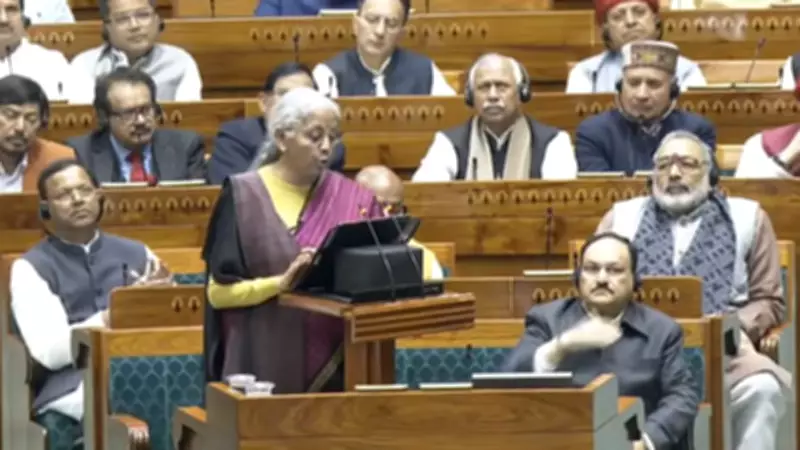
Finance Minister Nirmala Sitharaman presented India's 80th Union Budget in Parliament today, marking her ninth consecutive budget presentation. The comprehensive fiscal plan outlines a vision for economic growth, social development, and strategic self-sufficiency across multiple sectors.
Three Fundamental Kartavyas for National Development
In her budget speech, Sitharaman laid down three core responsibilities for the government's economic agenda:
- Accelerating Economic Growth: Enhancing competitiveness and building resilience against volatile global dynamics to sustain economic momentum.
- Fulfilling Citizen Aspirations: Building capacity among people and making them active partners in India's prosperity journey.
- Ensuring Inclusive Development: Guaranteeing 'sab ka saath, sab ka vikas' by providing resources, amenities, and opportunities for meaningful participation to every family, community, and region.
Sectoral Interventions and Strategic Focus Areas
The Finance Minister proposed targeted interventions across six key sectors to drive economic transformation:

- Scaling up manufacturing in seven strategic and frontier sectors
- Rejuvenating legacy industrial sectors
- Creating champion MSMEs
- Delivering a powerful push for infrastructure development
- Ensuring long-term security and stability
- Developing city economic regions
Major Infrastructure and Connectivity Projects
Significant infrastructure announcements included:
- Development of seven high-speed corridors between major cities: Mumbai-Pune, Pune-Hyderabad, Hyderabad-Bangalore, Hyderabad-Chennai, Chennai-Bangalore, Delhi-Varanasi, and Varanasi-Siliguri
- Continued infrastructure development in Tier 2 and Tier 3 cities
- Creation of an integrated East Coast industrial corridor with a well-connected node at Durgapur
Key Schemes and Financial Allocations
The budget introduced several new initiatives with substantial financial backing:
- National Fibre Scheme: Proposed for achieving self-sufficiency in the fibre space
- Self Reliance India Fund: Topped up with Rs 4,000 crore in FY27 to support MSMEs
- Carbon Capture Utilization and Storage: Rs 20,000 crore outlay over five years for scaling up CCUS technologies
- Mahatma Gandhi Gram Swaraj Initiative: To strengthen Khadi and handloom sectors, including setting up mega textile parks
Social Development and Welfare Measures
The budget emphasized social welfare with several notable announcements:
- Setting up a girls hostel in every district across the country
- Establishment of Self-Help Entrepreneur (SHE) Marts to support women entrepreneurship
- Development of five tourism destinations in Purvodaya States
- Provision of e-buses to Buddhist sites in the North Eastern region
- Pilot scheme to upgrade skills of 10,000 guides at 20 iconic tourist sites
- Development of ecologically sustainable trails in Himachal Pradesh, Uttarakhand, and Jammu and Kashmir
Healthcare and Education Initiatives
Significant allocations were announced for healthcare and education sectors:
- Establishment of three new All India Institutes of Ayurveda
- Upgradation of Ayush pharmacies and drug testing labs
- WHO Traditional Medicine Centre at Jamnagar
- Center's support for five university townships near major industrial logistics centres
Financial Sector Reforms
The budget proposed important financial sector measures:
- Setting up a high-level committee on banking for Viksit Bharat to review the sector and align it with India's next growth phase
Sports and Skill Development
Transformative initiatives for sports and skill enhancement:

- Khelo India mission to transform the sports sector over the next decade through integrated talent development, systematic coach development, and encouragement of competitions and leagues
The Union Budget 2026-27 presents a comprehensive roadmap for India's economic growth, social development, and strategic self-sufficiency, with particular emphasis on infrastructure development, MSME support, and inclusive welfare measures.