Union Budget 2026 Prioritizes Reform Over Rhetoric with Three Kartavyas
Finance Minister Nirmala Sitharaman presented the Union Budget 2026-27 in the Lok Sabha on Sunday, February 1, 2026, marking her ninth consecutive budget presentation. The budget session, which spans 30 sittings over 65 days and concludes on April 2, saw the Union Cabinet, headed by Prime Minister Narendra Modi, approve the budget following a parliamentary meeting.
Budget Driven by Core Kartavyas
During her speech, Sitharaman emphasized that the government has preferred reform over rhetoric, outlining three fundamental kartavyas or duties guiding the budget: growth, people's aspirations, and Sabka Saath Sabka Vikas (collective effort, collective progress). She stated, "We will ensure that dividends of growth reach every farmer, scheduled caste, scheduled tribe, and youth." This budget is significant as it was created in the newly constructed Kartavya Bhavan, symbolizing a commitment to duty and governance.
Historic Context and Economic Environment
This Union Budget marks the first after major reforms, including the historic Goods and Services Tax (GST) overhaul and Labour Codes. The GST reforms, branded as 'GST 2.0', aim to simplify indirect taxation with a two-rate structure of 5% and 18%, reduce compliance costs, and lower living expenses through cuts on essential goods and services. Meanwhile, the government consolidated 29 labour laws into four Labour Codes covering wages, industrial relations, social security, and occupational safety, extending benefits to unorganized, gig, and platform workers while improving workplace safety.

Sitharaman highlighted the external economic challenges, noting, "Today we face an external environment where trade and multilaterism is imperative." The budget is poised to focus on export growth, particularly in response to the United States imposing a 50% tariff on Indian goods, aiming to bolster India's trade resilience.
Budget Session Details and Economic Survey
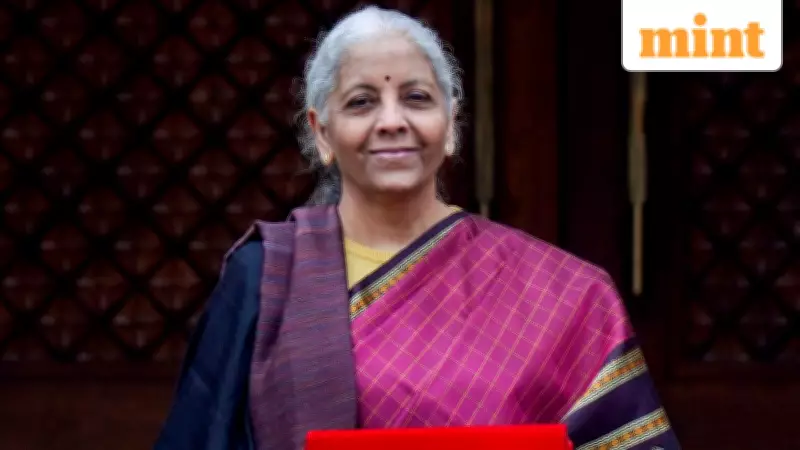
The budget session includes a recess from February 13 to March 9, allowing Standing Committees to examine Demands for Grants. Prior to the budget, Sitharaman tabled the Economic Survey of India for the 2025-26 financial year on Thursday, providing a foundation for the fiscal policies outlined. The presentation itself featured Sitharaman holding a digital tablet in a traditional red 'bahi-khata' style pouch, blending modern technology with cultural symbolism at Parliament premises in New Delhi.
Overall, the Union Budget 2026-27 underscores a strategic shift towards substantive reforms and inclusive growth, addressing both domestic aspirations and global economic pressures.