Union Budget 2026 Unveils Major Support for MSMEs with Fund Boost and New Initiatives
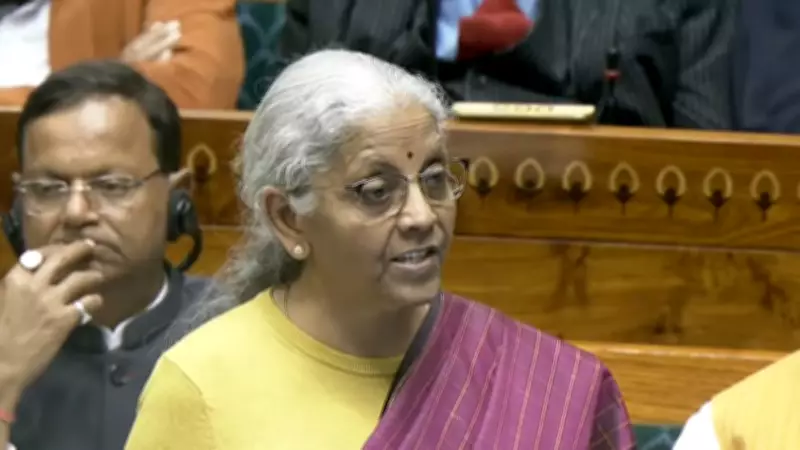
Finance Minister Nirmala Sitharaman presented the Union Budget 2026 in Parliament on Sunday, outlining a comprehensive package to bolster Micro, Small, and Medium Enterprises (MSMEs) across India. The budget speech, delivered in New Delhi on February 1, 2026, emphasized the government's commitment to fostering economic growth through targeted interventions.
Self Reliant India Fund Receives Rs 4,000 Crore Top-Up
In a significant move, Sitharaman proposed to top up the Self Reliant India Fund with an additional Rs 4,000 crore for the fiscal year 2026-27 (FY27). This fund, originally introduced in 2023 with an aim to infuse Rs 50,000 crore in equity funding, is designed to support MSMEs that demonstrate high growth potential and viability to scale into larger enterprises. The infusion is expected to enhance liquidity and investment opportunities for small businesses, driving innovation and job creation.
Introduction of Corporate Mitras in Tier-II and Tier-III Cities
To further assist MSMEs, the budget announced the development of a cadre of "corporate mitras" in Tier-II and Tier-III cities. These professionals will help MSMEs navigate compliance requirements at affordable costs, reducing bureaucratic hurdles and fostering a more business-friendly environment. Sitharaman highlighted that this initiative aims to bridge the gap between regulatory demands and small enterprises' capabilities.

The government plans to collaborate with professional institutions such as the Institute of Chartered Accountants of India (ICAI), the Institute of Company Secretaries of India (ICSI), and the Institute of Cost Accountants of India (ICMAI) to design short-term modular courses and practical tools for training these corporate mitras. This approach ensures that the support system is both accessible and effective.
Enhancing Financial Access Through TReDS Platform
Another key proposal involves making the Trade Receivables Discounting System (TReDS) a mandatory transaction platform for all purchases from MSMEs by central public sector enterprises. TReDS is an electronic platform that facilitates the financing and discounting of trade receivables, allowing MSMEs to access working capital more efficiently through multiple financiers. This move is expected to improve cash flow and reduce payment delays for small businesses.
Integrated Textile Programme to Counter Global Challenges
Addressing sector-specific issues, Sitharaman proposed an integrated textile programme with five sub-parts to support an industry facing challenges from steep tariffs, such as the 50 per cent duties imposed by the United States. The programme includes:
- Natural Fibre Scheme: Promoting sustainable and indigenous materials.
- Textile Expansion and Employment Scheme: Encouraging growth and job creation in the sector.
- National Handloom and Handicraft Programme: Preserving traditional crafts and boosting rural livelihoods.
Additionally, the government reiterated its focus on developing infrastructure in Tier-II and Tier-III cities, aligning with broader urban development goals to support MSMEs and other industries.
Budget 2026: A Holistic Approach to MSME Empowerment
The Union Budget 2026 reflects a strategic effort to strengthen India's MSME sector through financial support, regulatory assistance, and sector-specific programmes. By combining the Rs 4,000 crore fund top-up with initiatives like corporate mitras and TReDS integration, the government aims to create a more resilient and competitive business ecosystem. These measures are poised to drive economic recovery and growth, particularly in smaller cities and towns, contributing to the nation's self-reliance vision.